Albania
 Argentina
 Australia
 Austria
 Belgium
 Bosnia and Herzegovina
 Brazil
 Bulgaria
 Canada
 Chile
 Colombia
 Croatia
 Czech Republic
 Denmark
 Estonia
 Finland
 France
 Germany
 Greece
 Hungary
 Ireland
 Italy
 Latvia
 Lithuania
 Luxembourg
 Mexico
 Moldova
 Montenegro
 Netherlands
 New Zealand
 North Macedonia
 Norway
 Philippines
 Poland
 Portugal
 Romania
 Serbia
 Slovakia
 Slovenia
 South Africa
 Spain
 Sweden
 Switzerland
 Turkey
 Ukraine
 United Kingdom
 United States of America


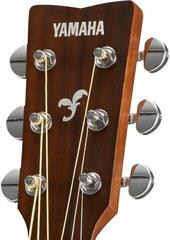
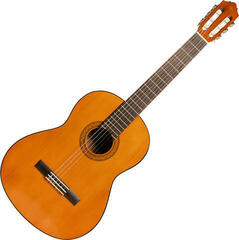
Yamaha Guitars
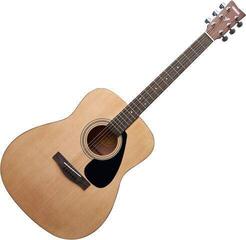
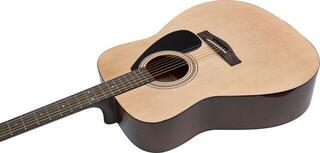
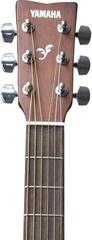
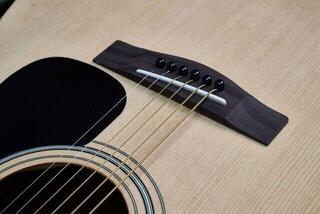
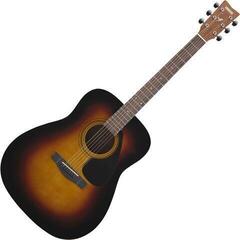
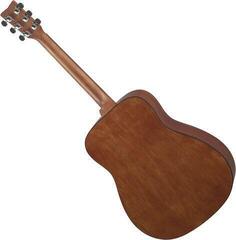
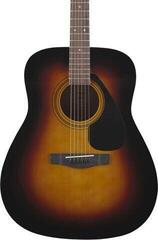
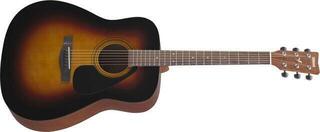
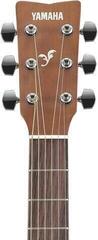
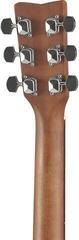
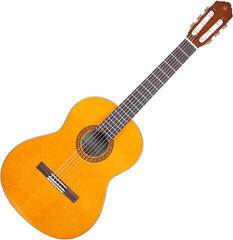
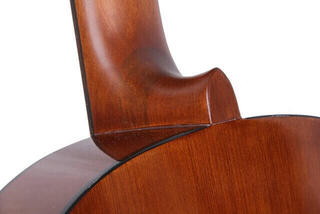
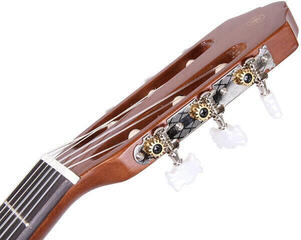
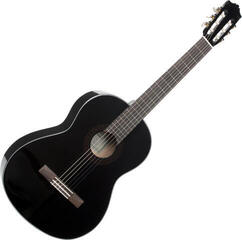
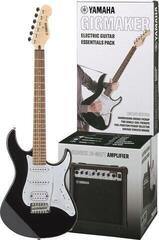
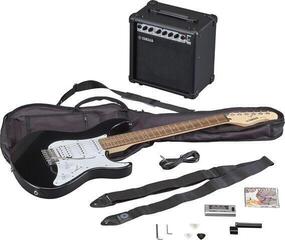
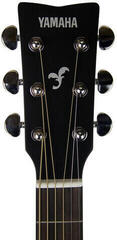
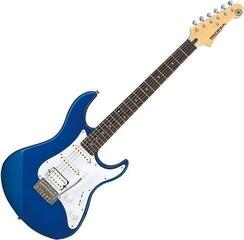
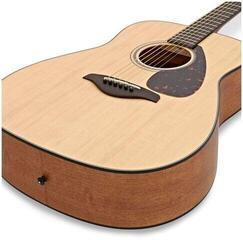
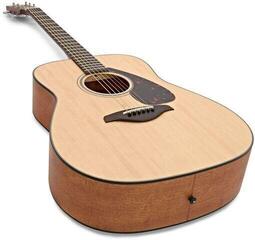
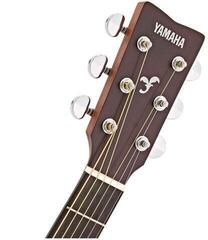
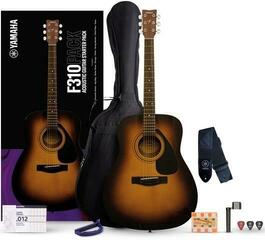
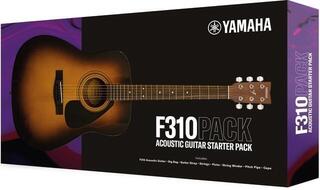
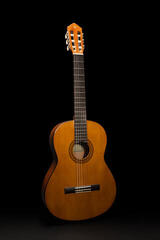
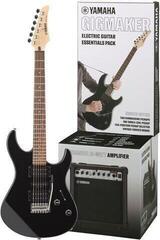
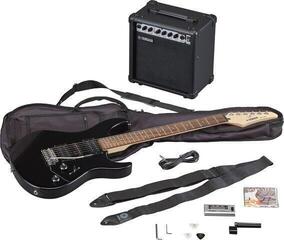
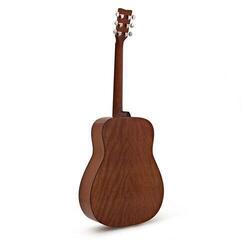
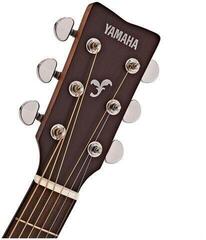
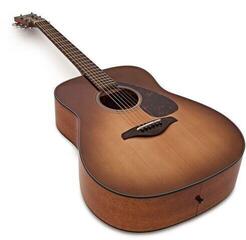
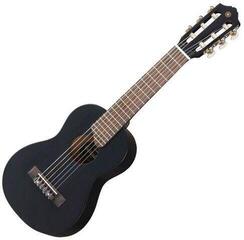
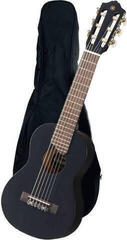
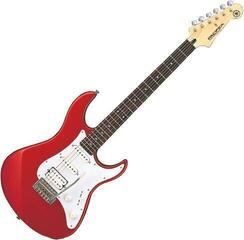
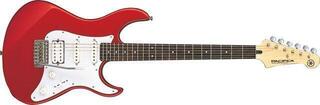
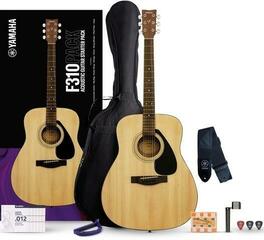
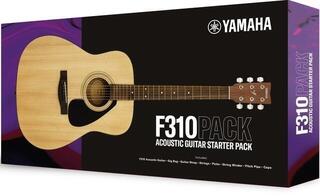
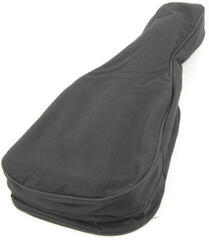
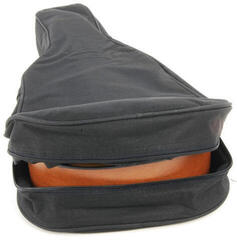
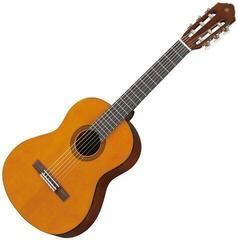
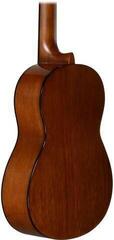
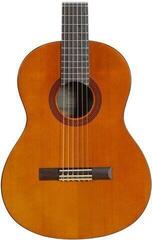
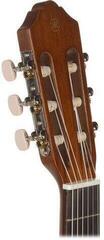
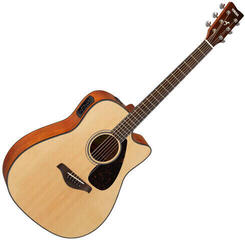
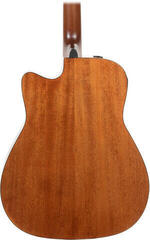
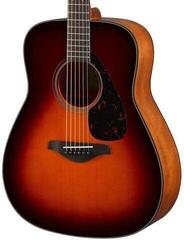
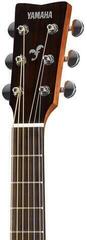
Yamaha makes guitars for every playing style: classical models with nylon strings, acoustics with steel strings, electro-acoustics with a pickup for connecting to an amplifier, and electric guitars. Beginner options include the C40 classical guitar, F310 and FG800 acoustics and Pacifica 012 and 112 electrics, while children have classical guitars in 3/4 and 1/2 sizes. The brand's distinctive options include TransAcoustic guitars, with reverb and chorus built into the body that you can hear without an amplifier, and the quiet SLG guitar for headphone practice. Many models also come in sets with a gig bag, tuner and stand.
Nylon or steel strings?
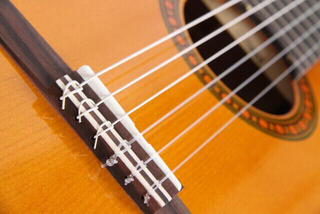
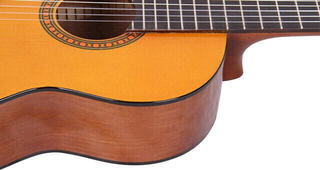
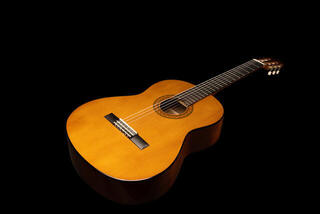
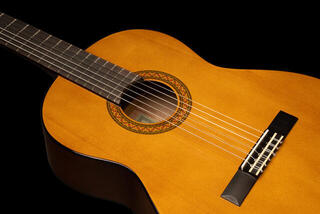
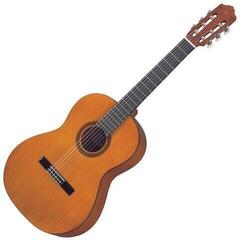
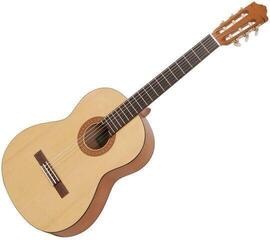
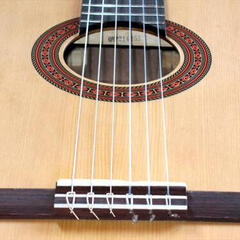
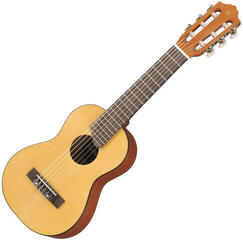
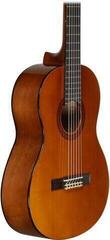
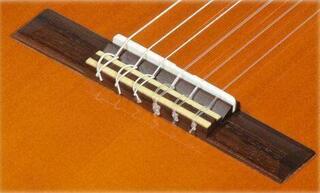
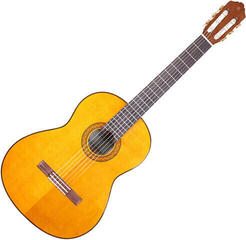
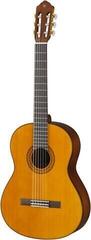
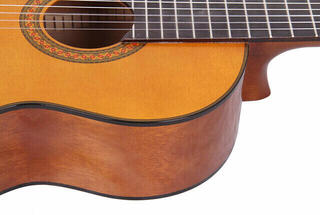
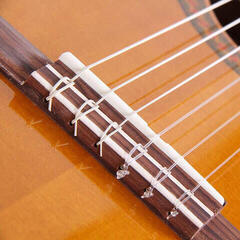
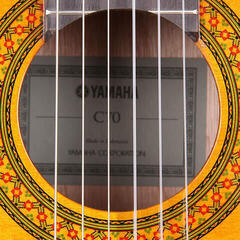
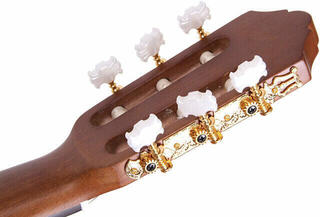
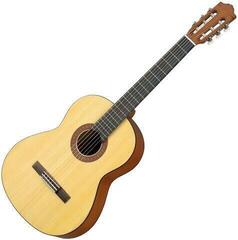
Yamaha classical guitars have nylon strings that feel softer on your fingers and a wide neck measuring around 52 mm at the nut. They suit classical music, fingerpicking and your first lessons at music school. The C series is the starting point for learning, while the CG122 has a solid wood top: the letters MS mean spruce and MC means cedar. The CS and CGS ranges offer smaller sizes so a child can reach the fretboard without stretching.
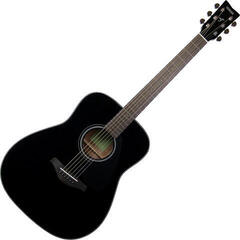
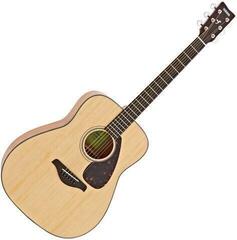
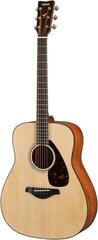
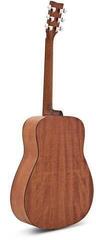
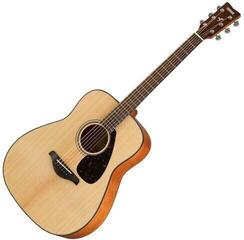
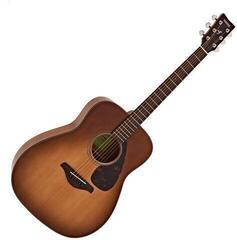
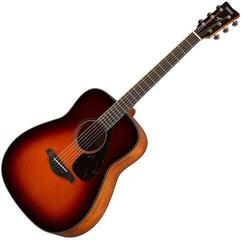
Yamaha acoustic guitars with steel strings sound louder and brighter, which is why they are mainly used for chordal accompaniment to singing. The neck is narrower, usually 43 mm at the nut. If you are moving on from a classical guitar and find the wide neck uncomfortable, take a look at the NTX classical guitars: they have nylon strings but a narrower 48 mm neck and a thinner body.
How do you tell the F, FG, FS, APX and CPX ranges apart?
| Range | Body | Who it suits |
|---|---|---|
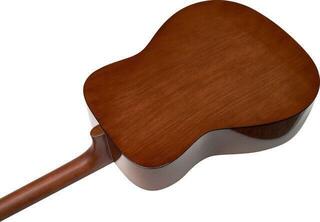
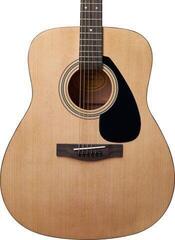
| F, FG | dreadnought, large body | strong bass when playing chords |
| FS | smaller concert body | comfort when seated |
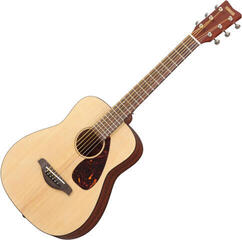
| JR | scaled-down dreadnought | children and travel |
| APX | thin body with a cutaway | playing on stage |
| CPX | deeper body with a cutaway | full sound through amplification |
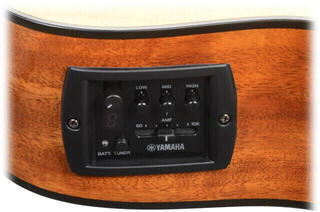
The letters in the name help you find your way: X means built-in electronics and C means a body cutaway, so the FGX800C is an FG800 dreadnought with a pickup and cutaway. All Yamaha electro-acoustic guitars have electronics that let you play through an amplifier without a microphone. Twelve-string versions, such as the FG820-12 or APX700II-12, have doubled strings and a fuller, chiming sound. Yamaha offers left-handed guitars only for selected models.
TransAcoustic guitars in the TAG and TAS ranges and models marked TA, such as the LL-TA or FG-TA, have a transducer inside that makes the body vibrate, so you hear reverb and chorus directly from the soundhole. The Silent Guitar SLG has just a frame in place of a body, plays quietly and sends its sound to headphones; the SLG200S has steel strings and the SLG200N has nylon strings.
Pacifica or Revstar?
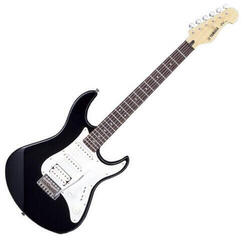
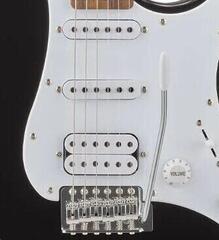
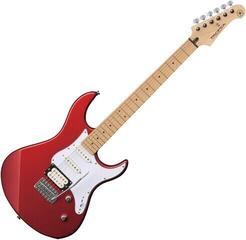
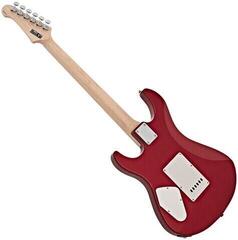
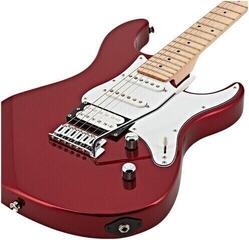
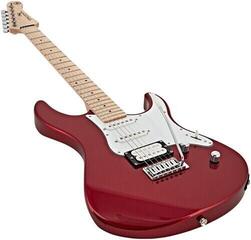
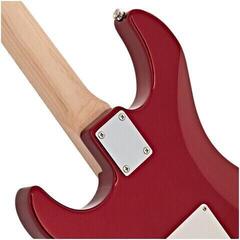
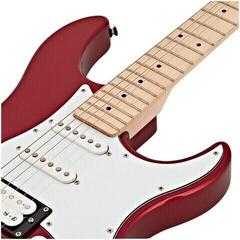
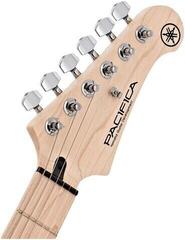
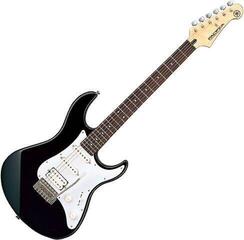
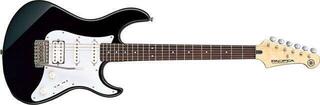
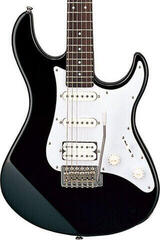
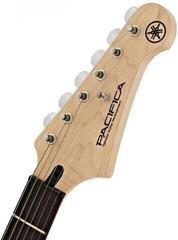
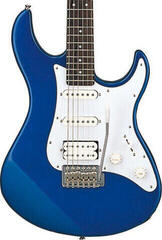
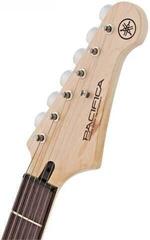
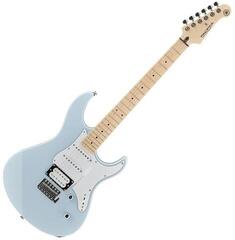
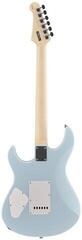
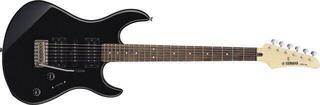
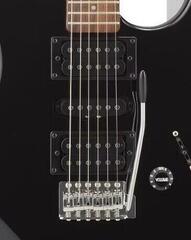
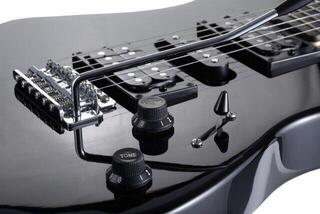
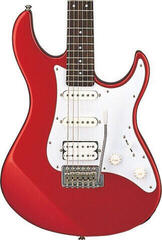
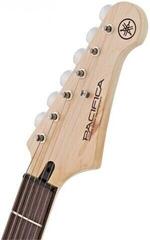
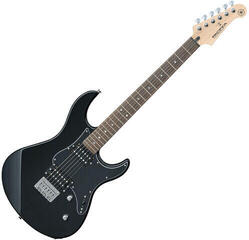
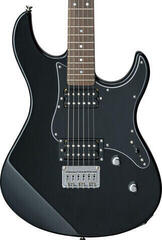
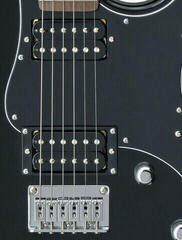
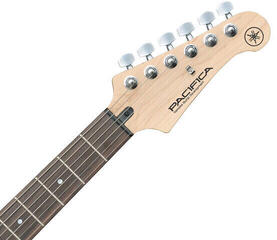
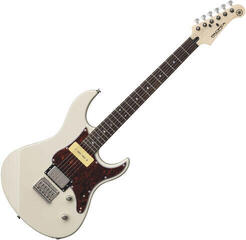
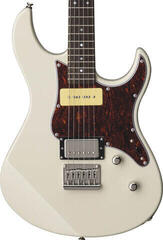
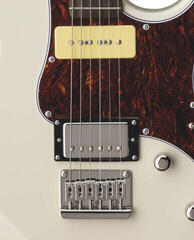
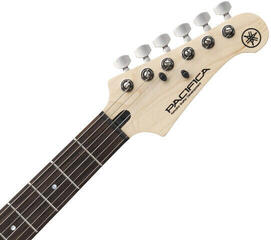
Yamaha electric guitars centre on two ranges. The Pacifica has an ST shape with two cutaways, and most models combine two single-coil pickups with a bridge humbucker, covering both clean and distorted sounds. The Pacifica 012 and 112 are entry-level models, Pacifica Standard Plus and Professional belong to the higher tier, and the Pacifica SC has a T shape with a single cutaway.
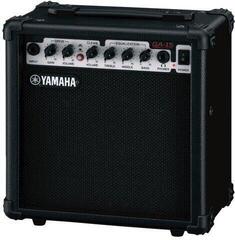
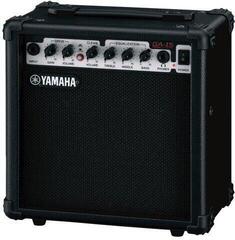
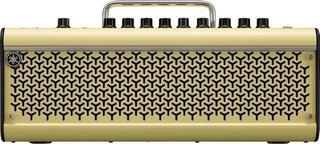
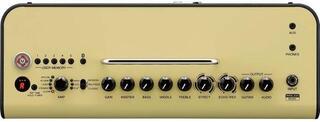
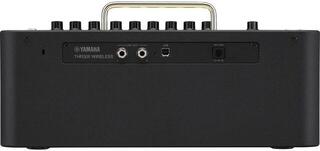
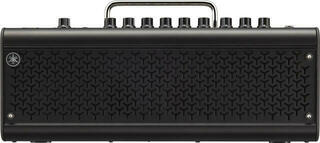
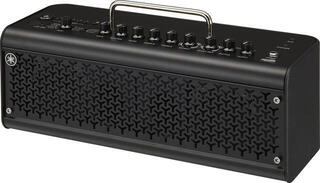
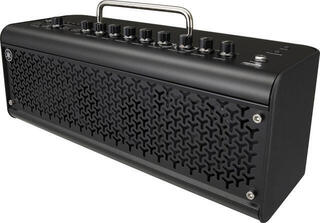
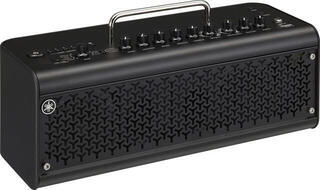
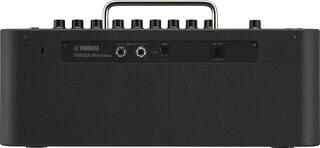
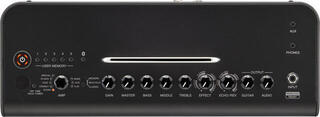
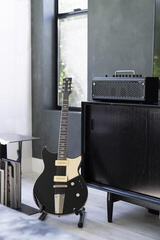
The Revstar has a double-cutaway body and comes in three tiers: Element marked RSE, Standard marked RSS and Professional marked RSP. You need an amplifier for an electric guitar. For practice at home, a small Yamaha THR modelling combo is enough; you can find it among the Yamaha guitar combos.