 Albania
 Argentina
 Australia
 Austria
 Belgium
 Bosnia and Herzegovina
 Brazil
 Bulgaria
 Canada
 Chile
Chile
 Colombia
 Croatia
 Czech Republic
 Denmark
 Estonia
 Finland
 France
 Germany
 Greece
 Hungary
 Ireland
 Italy
Italy
 Latvia
 Lithuania
 Luxembourg
 Mexico
 Moldova
 Montenegro
 Netherlands
 New Zealand
 North Macedonia
 Norway
 Philippines
 Poland
 Portugal
 Romania
 Serbia
 Slovakia
 Slovenia
 South Africa
 Spain
Spain
 Sweden
 Switzerland
 Turkey
 Ukraine
 United Kingdom
 United States of America



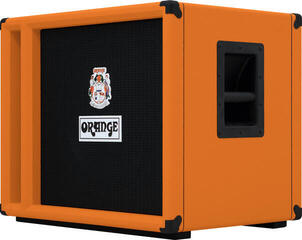
Bass Speaker Cabinets
A bass cabinet converts the amplifier head's signal into sound, so it should be chosen as part of the complete rig. Speaker count, dimensions, weight, power handling and, above all, impedance all matter. A smaller cabinet is easier to carry, while a larger rig may suit a loud band or a bigger stage better. Always compare the exact specifications with the output of your bass amp head.
How many speakers do you need?
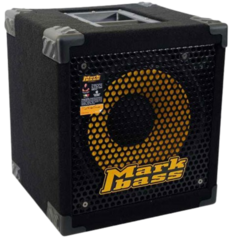
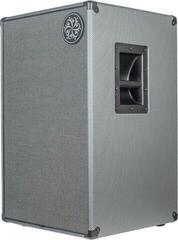
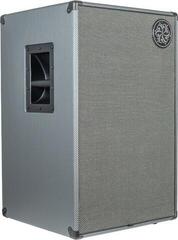
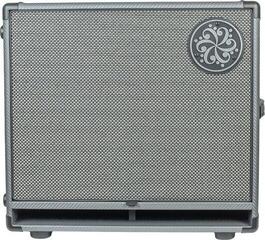
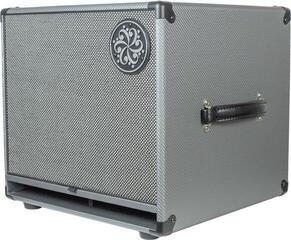
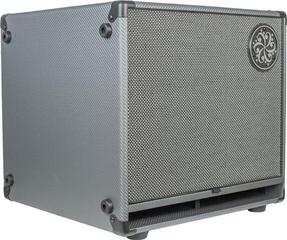
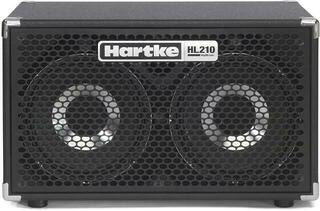
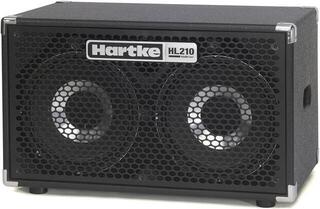
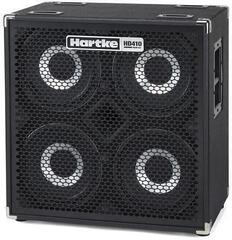
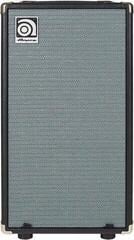
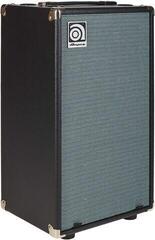
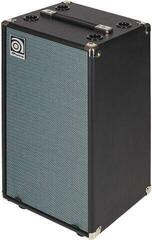
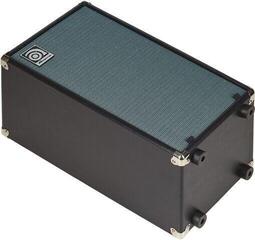
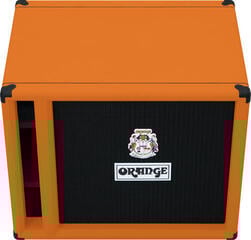
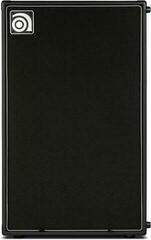
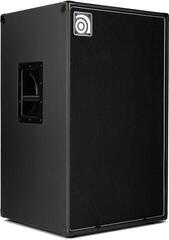
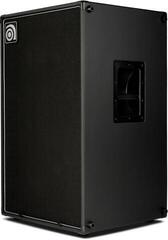
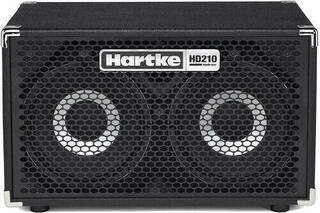
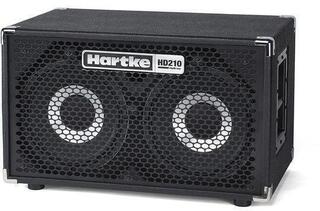
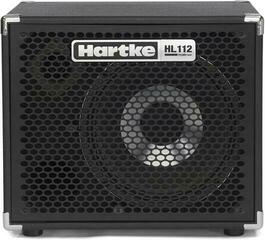
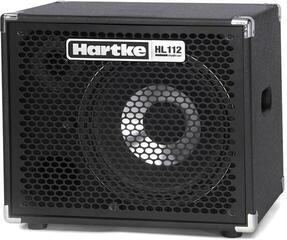
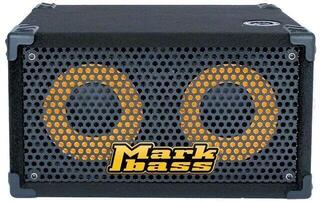
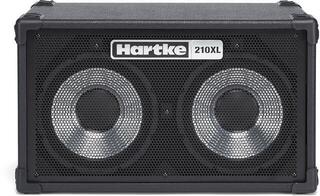
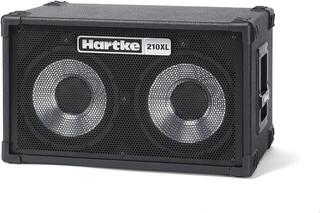
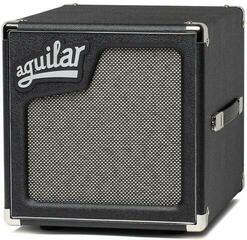
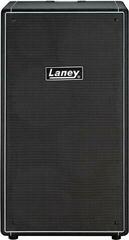
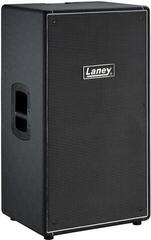
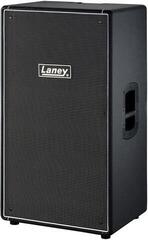
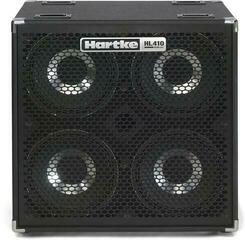
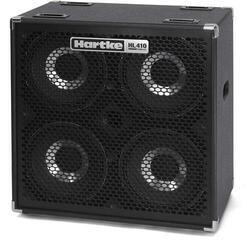
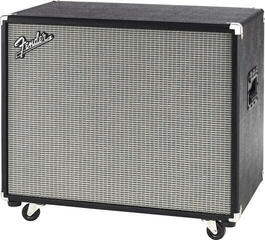
For frequent transport, home playing or a small rehearsal room, 1× speaker bass cabinets are a sensible starting point. 2× speaker models offer a practical middle ground when you want a larger enclosure but still move your rig regularly. 4× speaker cabinets are aimed mainly at players willing to accept more size and weight for loud rehearsals and larger stages. Unusual layouts and special designs can be found among the other bass cabinets.
Power and impedance must match the amplifier
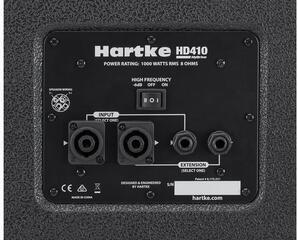
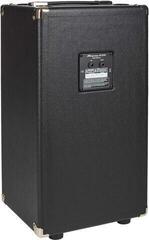
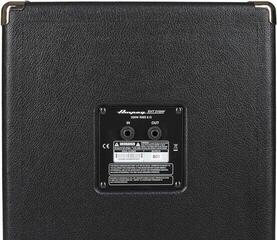
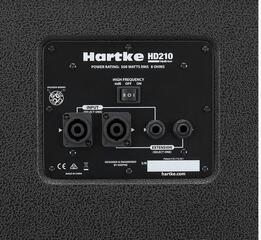
First check the amplifier head's minimum permitted impedance and the cabinet impedance. Connecting two cabinets changes the total load according to the wiring, so follow the manufacturer's data and never go below the amp's limit. Compare power ratings stated on the same basis and consider how much power the amplifier delivers at the selected impedance. A high wattage figure alone does not determine the rig's volume or character.
Choose for where you play
| Use | What to check |
|---|---|
| Home and studio | Dimensions, weight, suitable power and easy placement |
| Rehearsal room | Compatibility with the head, headroom for the band's volume and transport durability |
| Gigs | Transport, miking or PA options and suitable headroom for the stage |
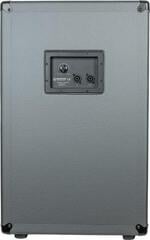
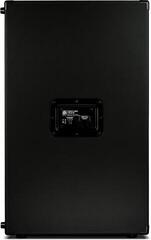
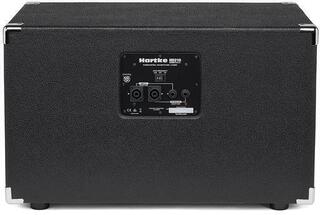
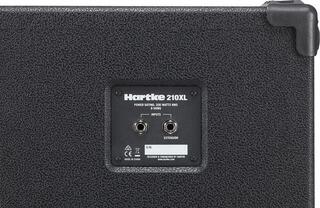
Check the connectors, dimensions and weight before buying. If you want to combine several cabinets, plan the complete rig together rather than selecting each part separately.