Albania
 Argentina
 Australia
 Austria
 Belgium
 Bosnia and Herzegovina
 Brazil
 Bulgaria
 Canada
 Chile
 Colombia
 Croatia
 Czech Republic
 Denmark
 Estonia
 Finland
 France
 Germany
 Greece
 Hungary
 Ireland
 Italy
 Latvia
 Lithuania
 Luxembourg
 Mexico
 Moldova
 Montenegro
 Netherlands
 New Zealand
 North Macedonia
 Norway
 Philippines
 Poland
 Portugal
 Romania
 Serbia
 Slovakia
 Slovenia
 South Africa
 Spain
 Sweden
 Switzerland
 Turkey
 Ukraine
 United Kingdom
 United States of America


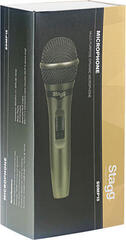
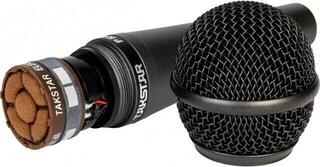
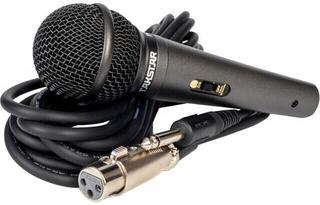
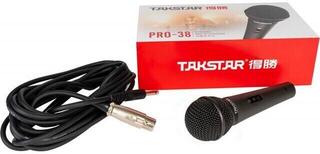
XLR Microphones
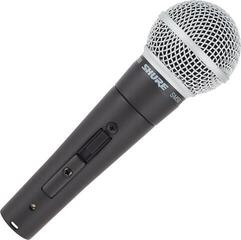
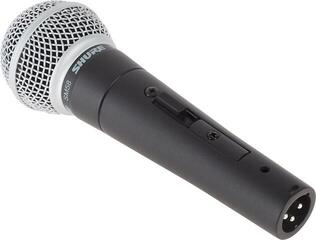
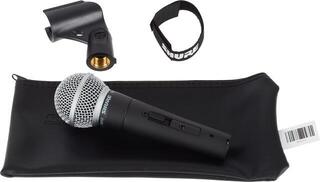
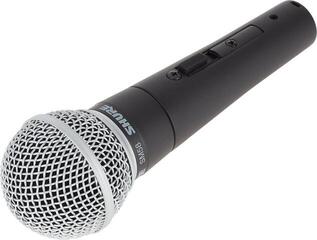
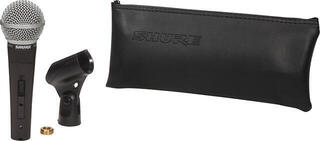
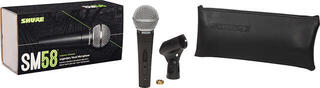
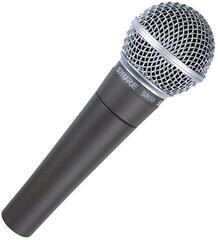
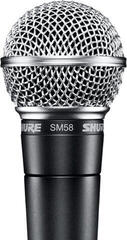
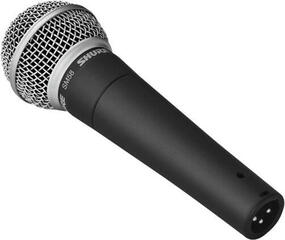
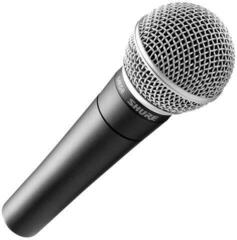
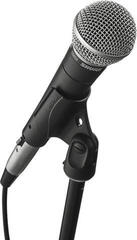
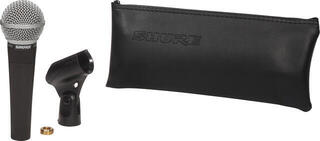
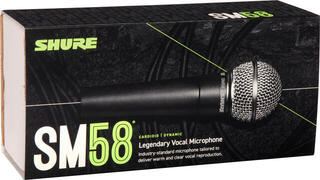
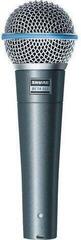
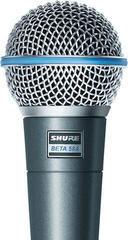
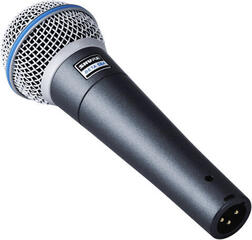
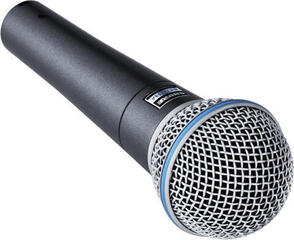
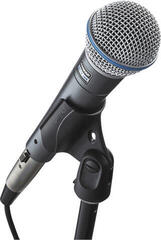
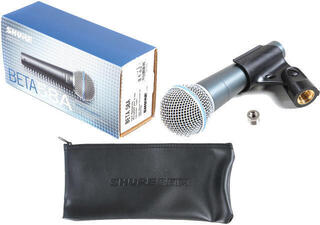
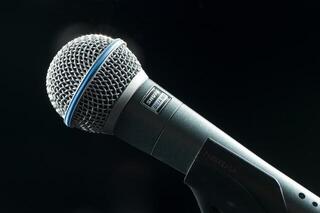
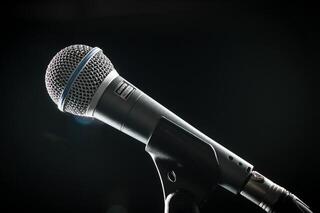
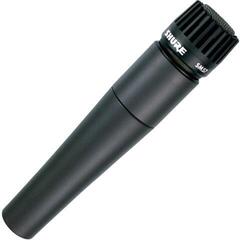
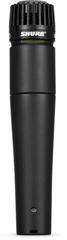
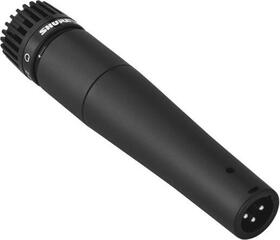
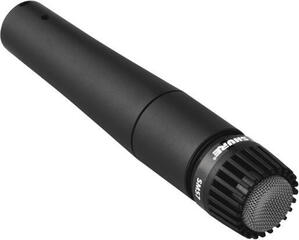
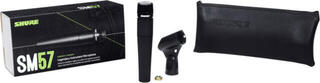
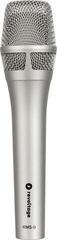
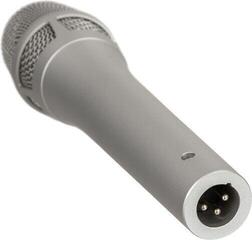
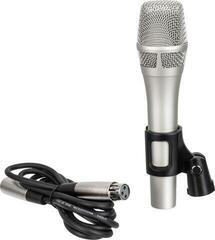
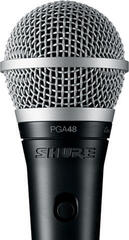
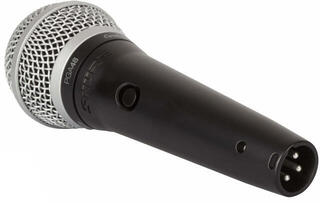
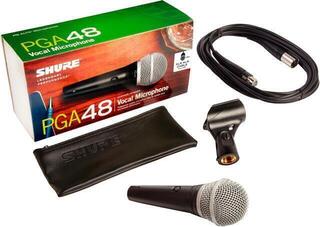
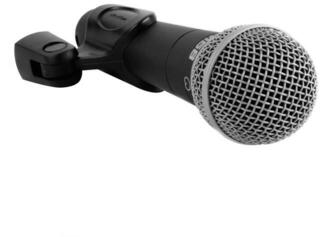
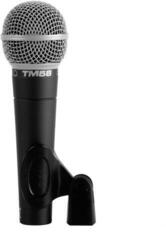
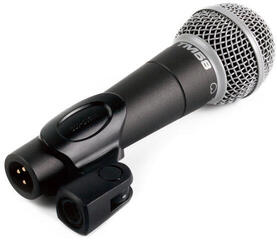
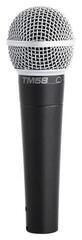
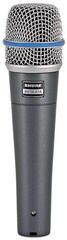
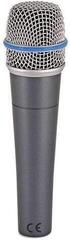
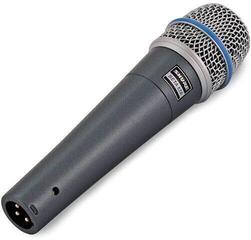
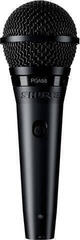
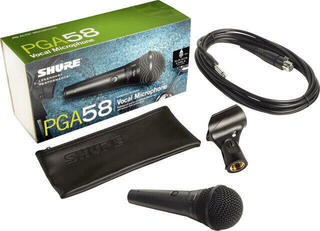
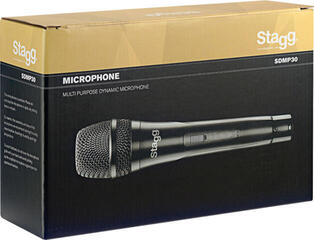
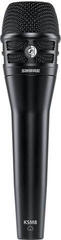
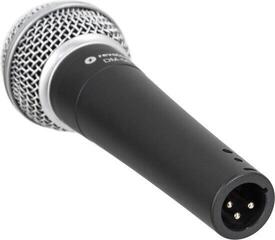
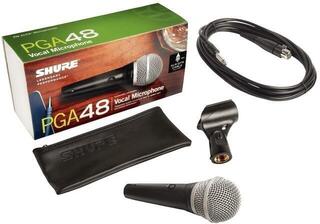
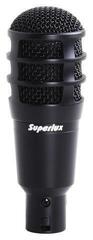
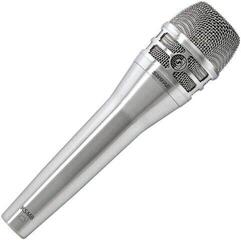
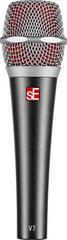
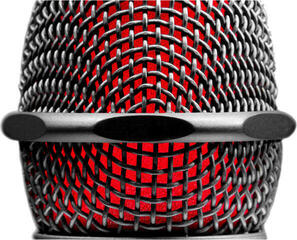
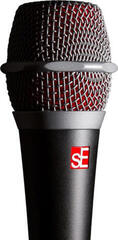
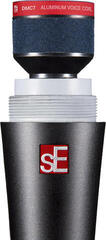
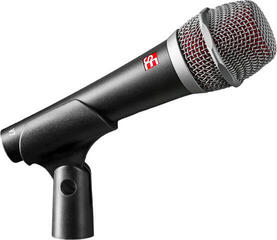
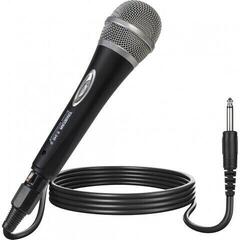
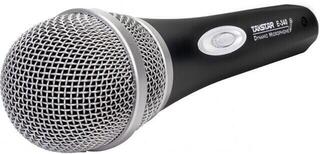
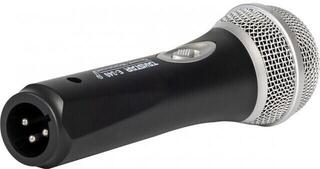
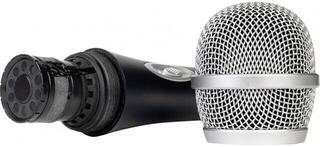
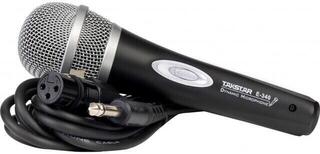
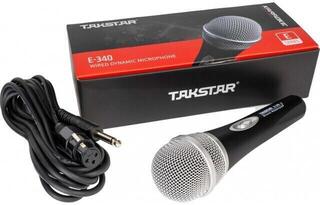
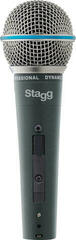
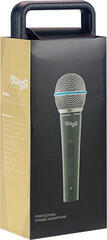
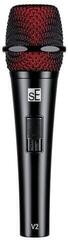
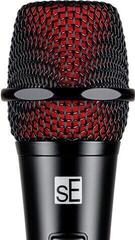
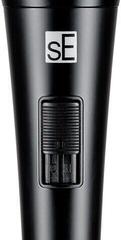
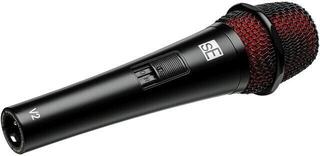
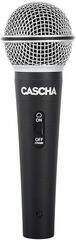
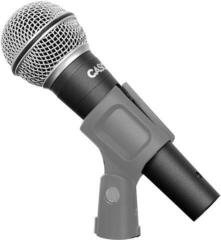
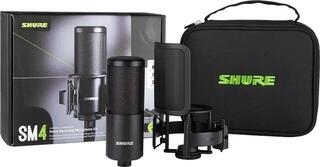
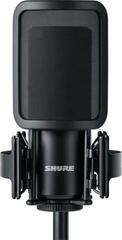
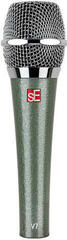
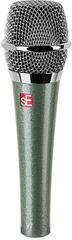
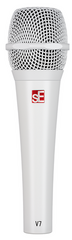
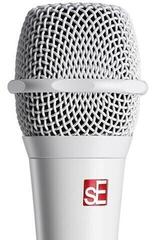
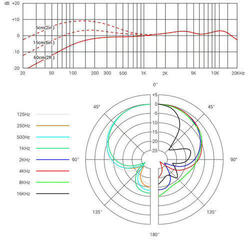
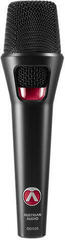
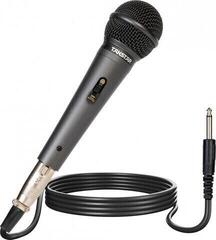
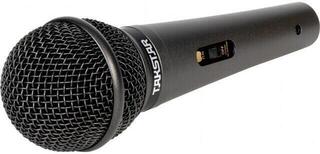
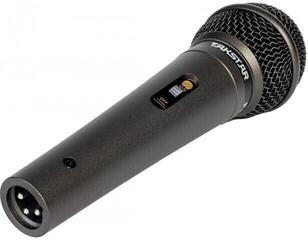
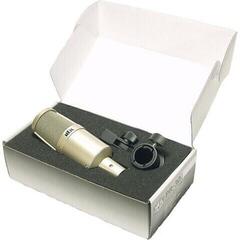
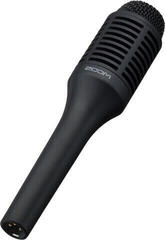
XLR microphones connect with a three-pin XLR connector, which carries a balanced signal and holds firmly even when you move around on stage. This page mainly features dynamic vocal and instrument microphones such as the Shure SM58, BETA 58A and SM57, sE Electronics V7, Sennheiser E608 or MD 421 Kompakt, along with the Shure SM4, Revoltage KMS-9 and Audio-Technica AE 3300 condenser vocal microphones. Unlike a USB microphone, an XLR microphone needs a mixer or audio interface with a microphone input.
XLR or USB microphone?
A USB microphone plugs straight into a computer, which is enough for a podcast or video calls. An XLR microphone goes through an XLR cable into a mixer or audio interface, so later you can combine it with other microphones, run a long cable to the stage and keep the microphone when you change equipment. If all you want is simple recording at the computer, take a look at USB microphones.
Dynamic or condenser microphone?
A dynamic microphone such as the Shure SM58 needs no power, handles loud vocals and drums and picks up less from its surroundings, which is why it is mainly used on stage. A condenser microphone, for example the Shure SM4 or Revoltage KMS-9, needs 48 V phantom power and captures more detail in the voice. Mixers and audio interfaces with a microphone input usually supply it through the same XLR connector.
What else do you need besides the microphone?
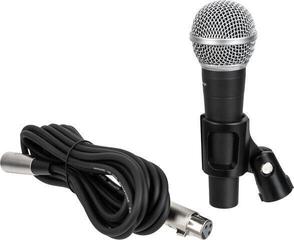
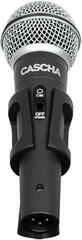
Alongside the microphone you need an XLR to XLR cable: the female end goes into the microphone, and the male end into the mixer or audio interface. If the cable breaks, you only replace the cable and keep the microphone. The Shure SM58SE has a switch on its body, so you can mute the microphone without reaching for the mixer.