 Albania
 Argentina
 Australia
 Austria
 Belgium
 Bosnia and Herzegovina
 Brazil
 Bulgaria
 Canada
 Chile
Chile
 Colombia
 Croatia
 Czech Republic
 Denmark
 Estonia
 Finland
 France
 Germany
 Greece
 Hungary
 Ireland
 Italy
Italy
 Latvia
 Lithuania
 Luxembourg
 Mexico
 Moldova
 Montenegro
 Netherlands
 New Zealand
 North Macedonia
 Norway
 Philippines
 Poland
 Portugal
 Romania
 Serbia
 Slovakia
 Slovenia
 South Africa
 Spain
Spain
 Sweden
 Switzerland
 Turkey
 Ukraine
 United Kingdom
 United States of America



Tambourines | page 3
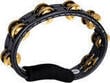
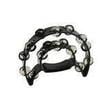
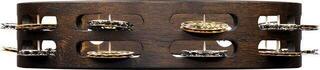
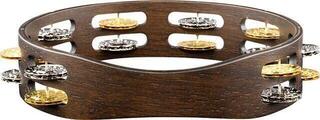
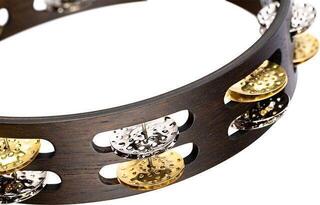
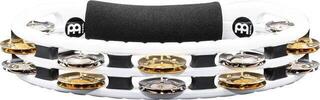
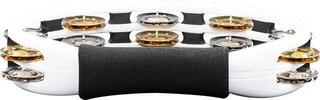
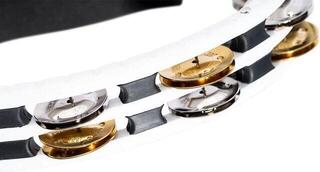
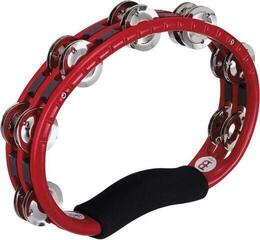
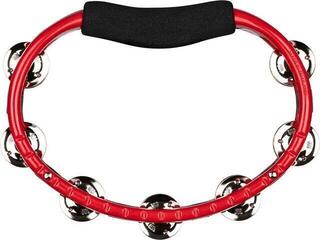
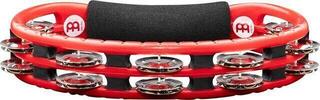
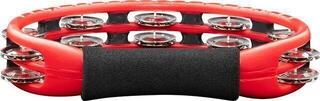
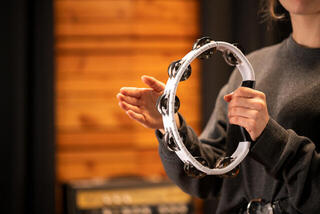
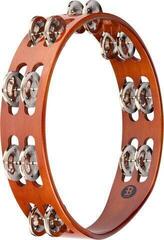
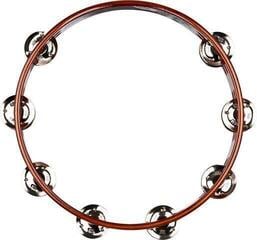
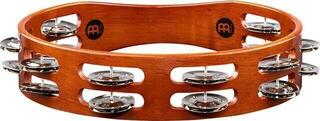
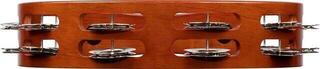
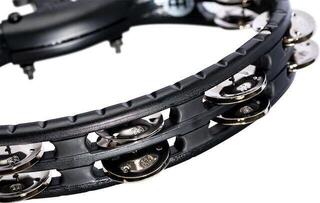
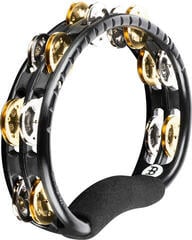
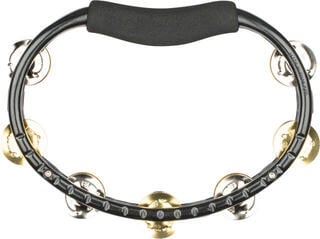
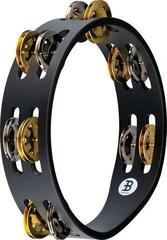
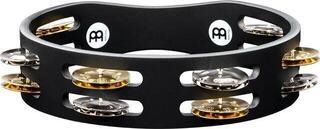
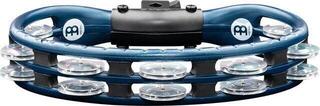
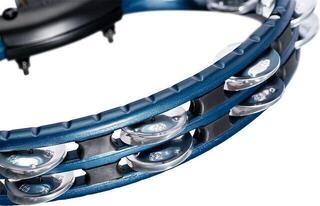
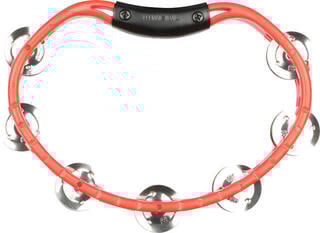
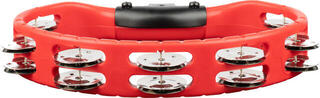
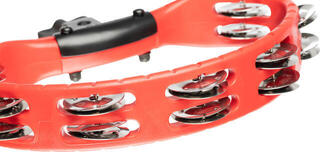
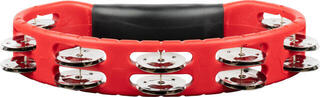
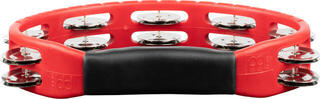
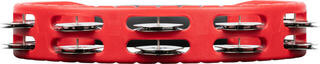
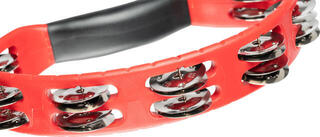
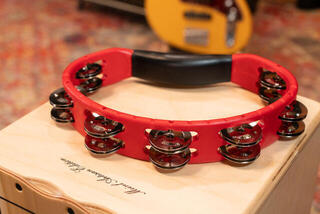
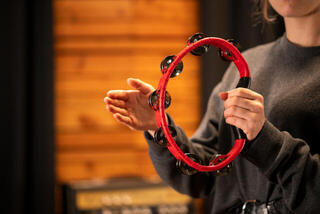
A tambourine adds rhythm to a band, school performance, folk music or acoustic playing without requiring complicated technique. When choosing one, focus mainly on the construction, volume, grip and whether you will hold it in your hand or mount it to a setup. A lighter frame suits children and longer playing, while more rows of jingles usually give a brighter, more pronounced sound.
How to choose a tambourine type
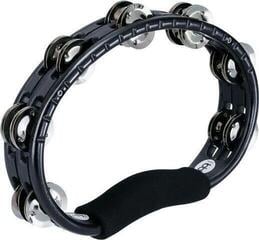
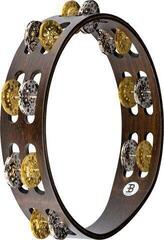
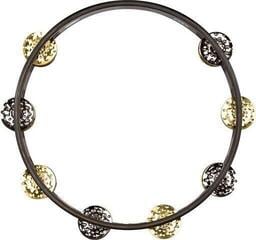
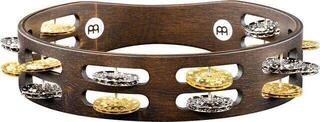
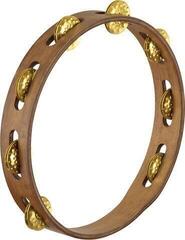
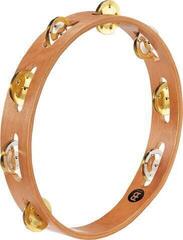
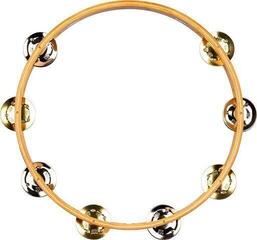
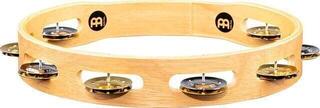
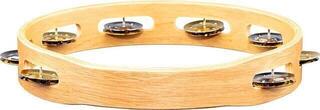
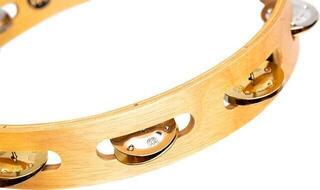
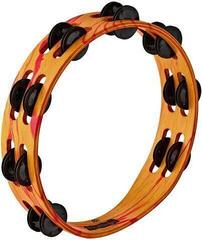
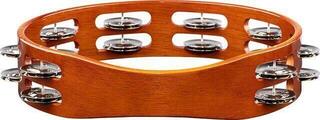
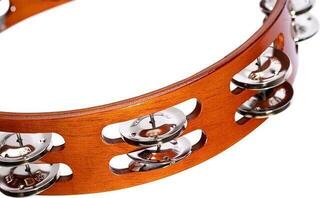
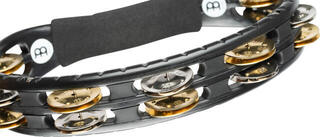
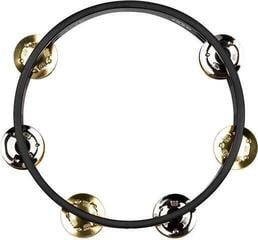
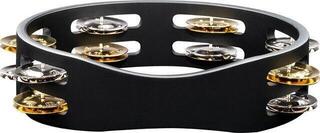
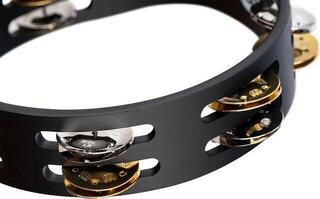
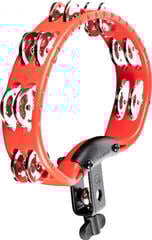
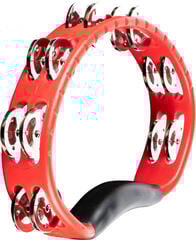
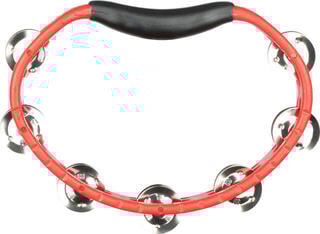
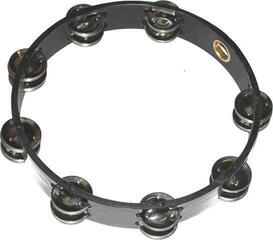
- Classic tambourines without a head are versatile for a clear rhythm, vocals, school performances and simple accompaniment.
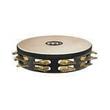
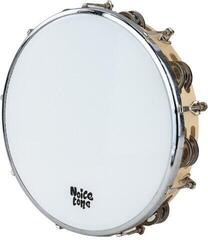
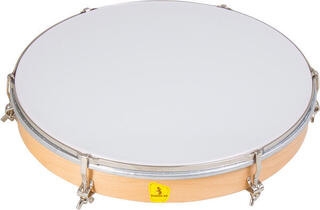
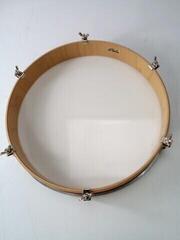
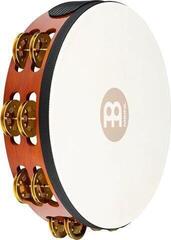
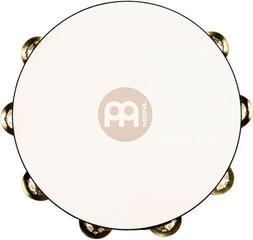
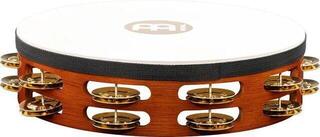
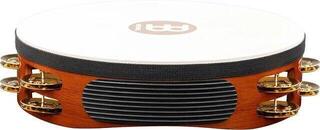
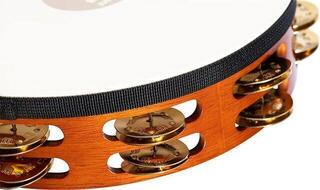
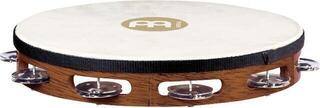
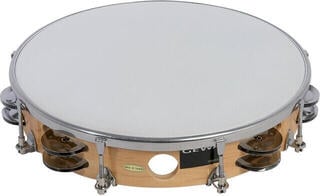
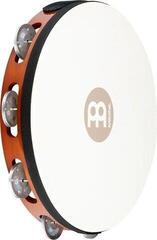
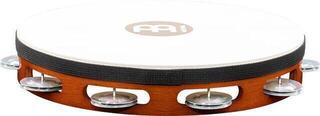
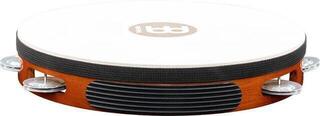
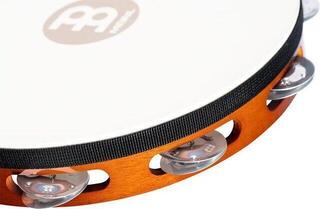
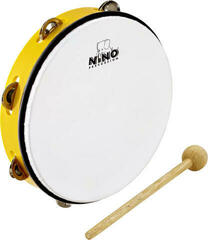
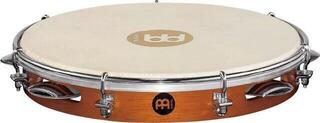
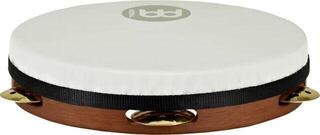
- Headed tambourines add a fuller tone because, besides the jingles, you can also play strokes on the membrane.
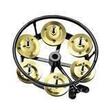
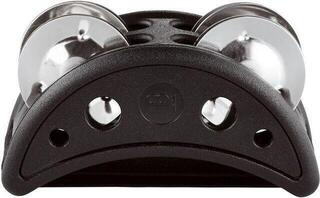
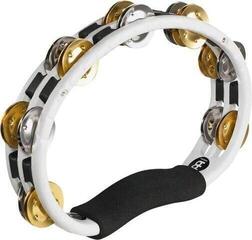
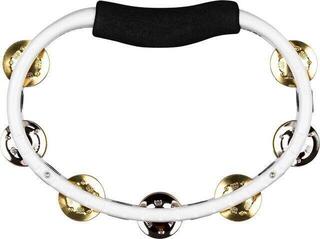
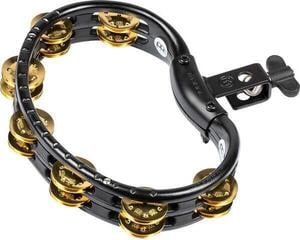
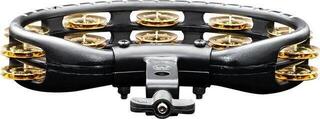
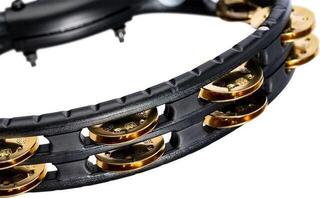
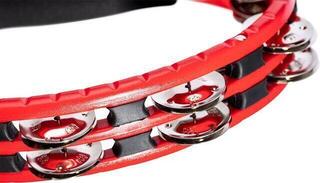
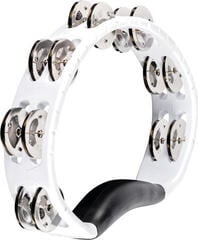
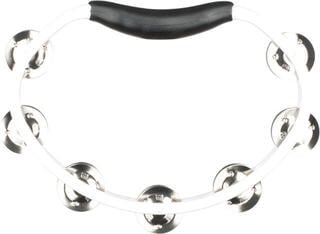
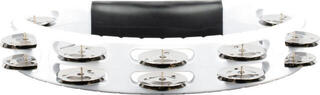
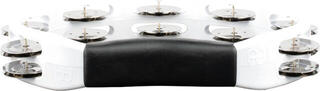
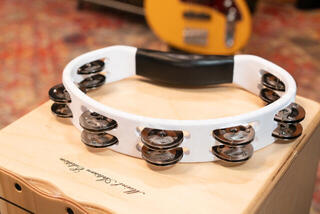
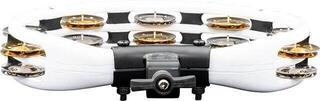
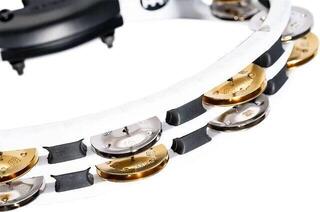
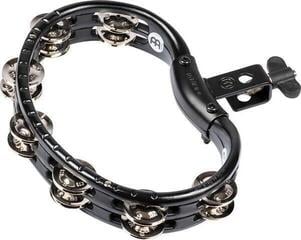
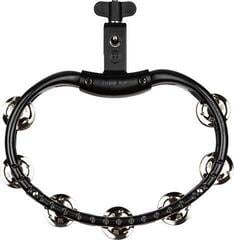
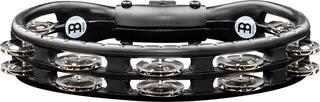
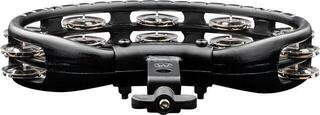
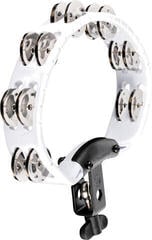
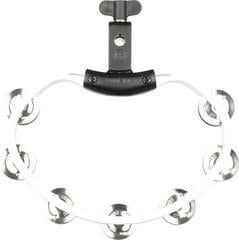
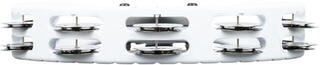
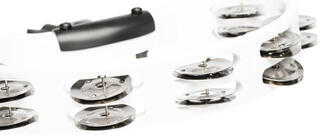
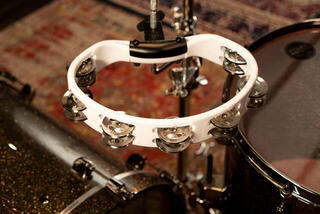
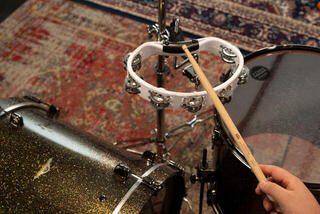
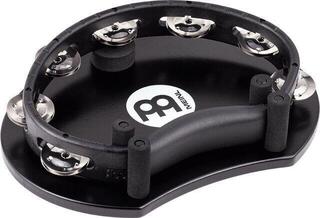
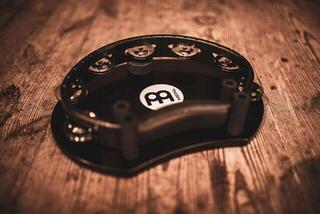
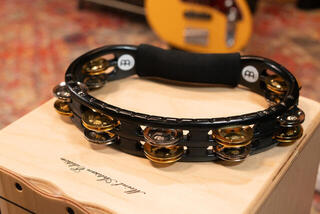
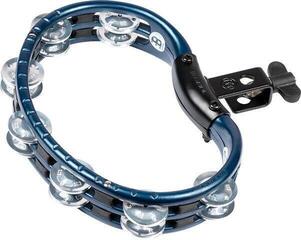
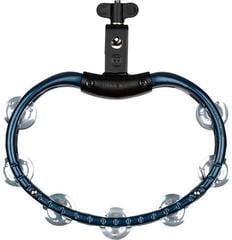
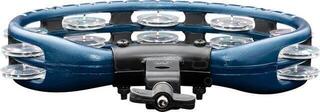
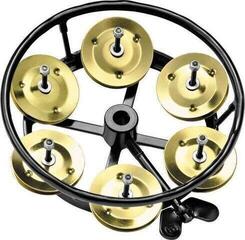
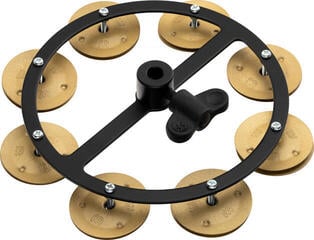
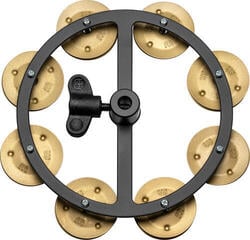
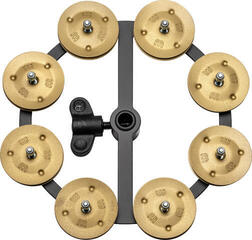
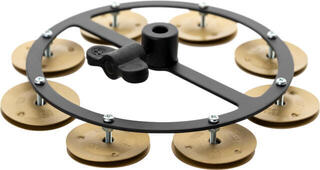
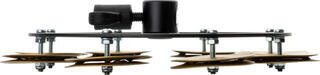
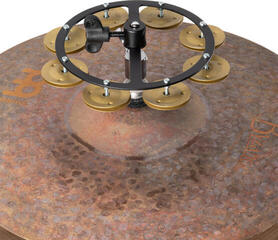
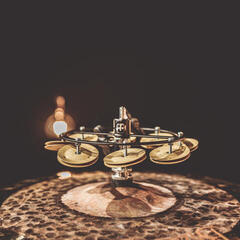
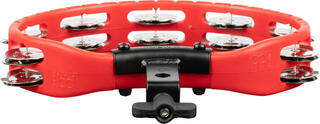
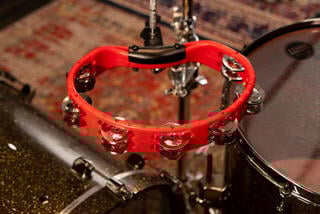
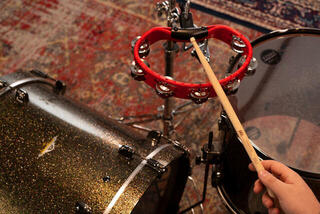
- Mountable tambourines are practical for drums or a percussion stand when you need your hands free.
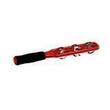
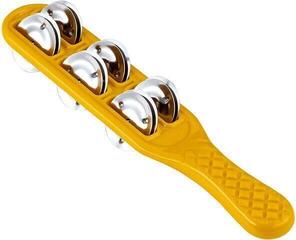
- Straight tambourines and jingle bars take up little space and work well for strong accents in a setup.
For quieter practice and children, choose a smaller diameter, lower weight and a comfortable grip. For the stage or a louder band, a sturdier frame, stable mounting and jingles with enough projection are worth considering.