Albania
 Argentina
 Australia
 Austria
 Belgium
 Bosnia and Herzegovina
 Brazil
 Bulgaria
 Canada
 Chile
 Colombia
 Croatia
 Czech Republic
 Denmark
 Estonia
 Finland
 France
 Germany
 Greece
 Hungary
 Ireland
 Italy
 Latvia
 Lithuania
 Luxembourg
 Mexico
 Moldova
 Montenegro
 Netherlands
 New Zealand
 North Macedonia
 Norway
 Philippines
 Poland
 Portugal
 Romania
 Serbia
 Slovakia
 Slovenia
 South Africa
 Spain
 Sweden
 Switzerland
 Turkey
 Ukraine
 United Kingdom
 United States of America


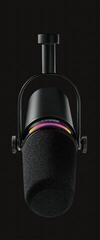
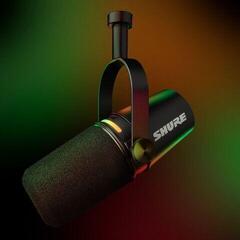
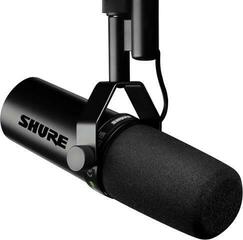
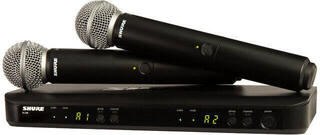
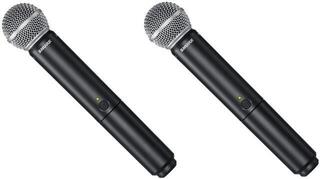
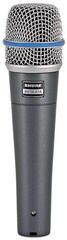
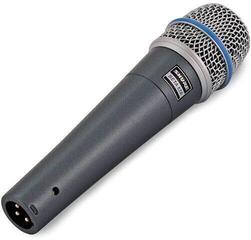
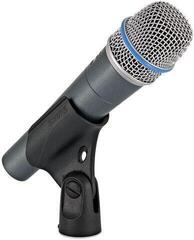
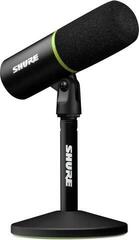
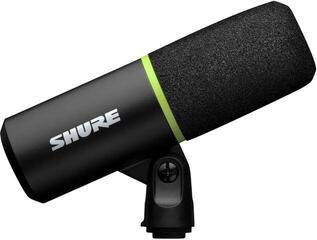
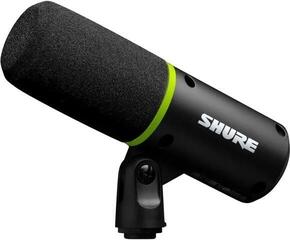
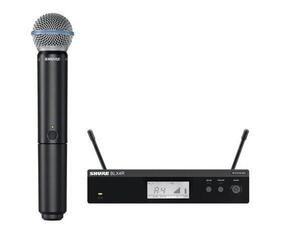
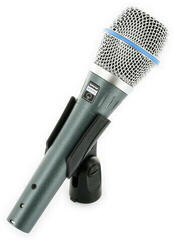
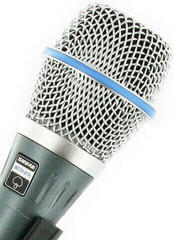
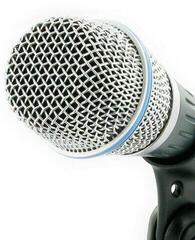
Shure Microphones
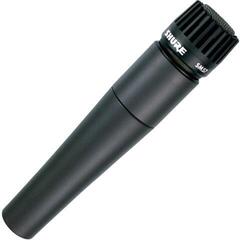
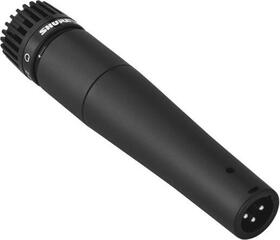
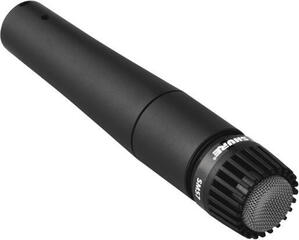
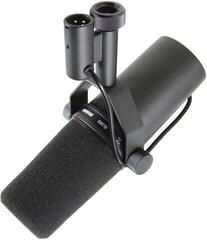
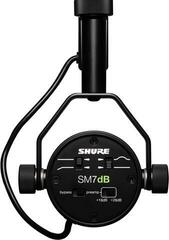
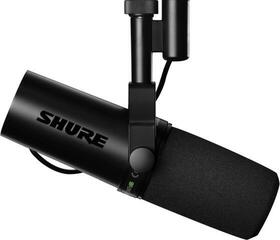
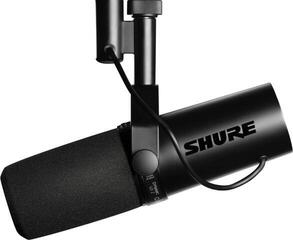
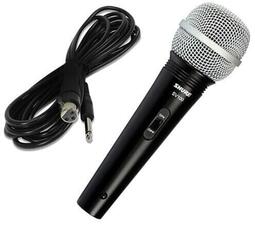
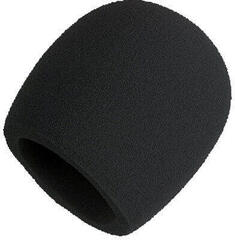
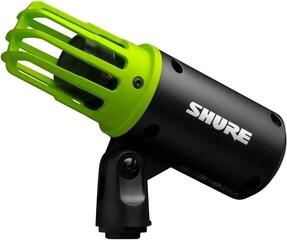
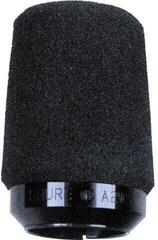
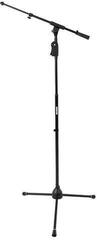
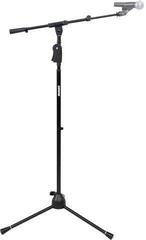
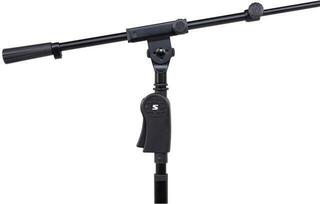
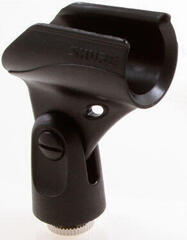
The Shure microphones on this page cover vocals, instruments, drums, podcasts and spoken word for lectures and theatre. The core models are the dynamic SM58 for vocals and SM57 for instruments, which you will come across on stages and in rehearsal rooms. For podcasts and broadcasting, there are the SM7B, SM7DB and MV series, with BETA, PGA and Nexadyne models for drums. You will find matching windscreens, drum mounts, stands and cases in Shure microphone accessories.
Which Shure microphone for vocals: SM58, BETA 58A or BETA 87A?
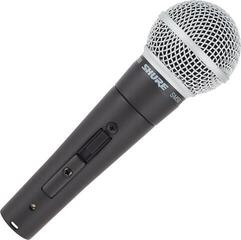
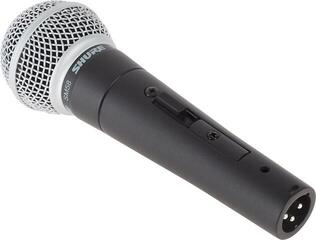
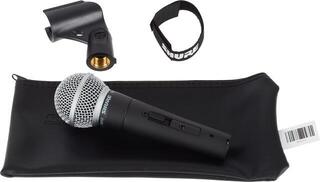
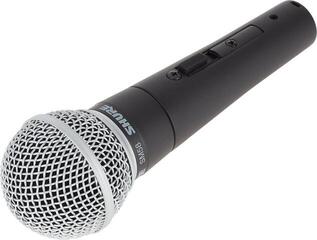
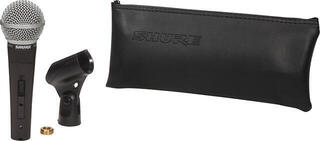
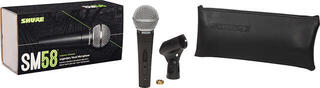
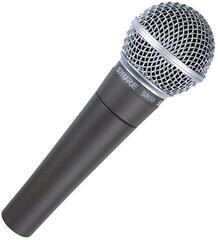
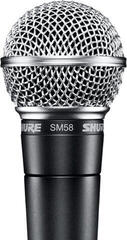
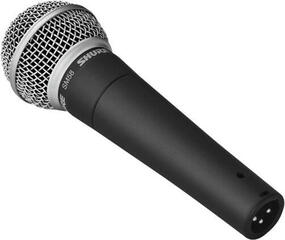
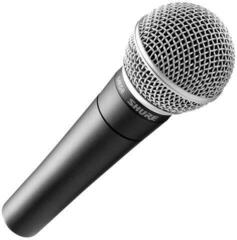
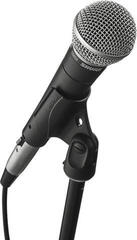
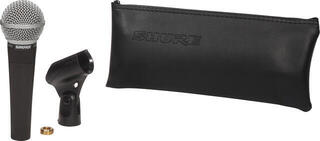
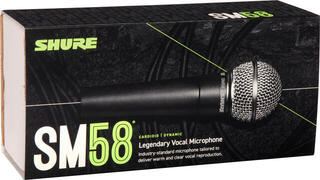
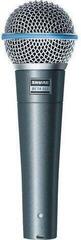
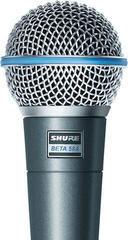
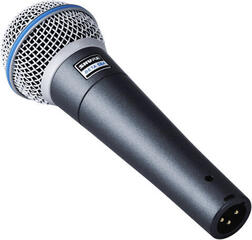
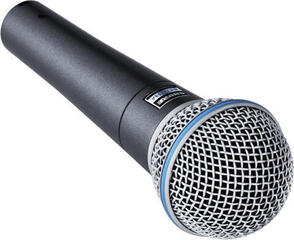
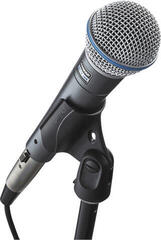
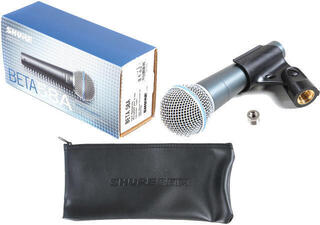
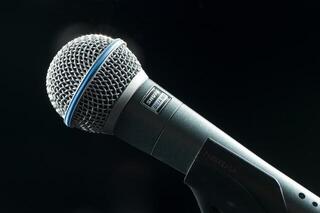
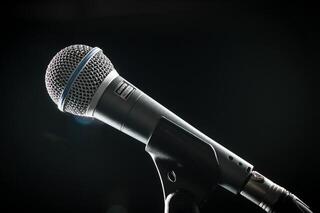
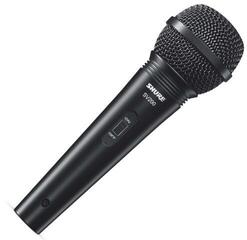
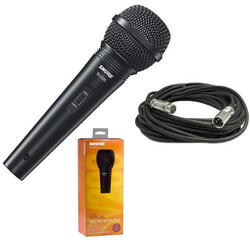
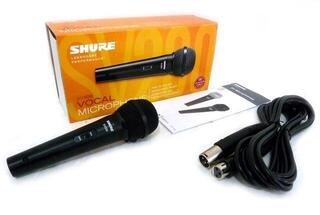
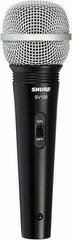
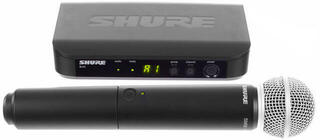
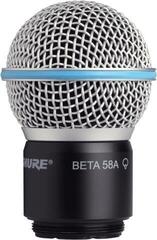
The SM58 is a dynamic vocal microphone with a cardioid pickup pattern: it mainly picks up sound from the front and rejects sound from the rear, so it captures less of the drums and monitors on stage. The SM58SE version has an on/off switch, while the SM58-LCE does not. The BETA 58A is also dynamic, but its supercardioid pattern and narrower pickup area at the front provide better rejection of sound from the sides on a loud stage. With the SM58, place your monitor directly behind the microphone; with the BETA 58A, position it at an angle to the sides, where the supercardioid pattern picks up the least sound.
The SM86 and BETA 87A condenser vocal models capture finer vocal nuances and more open highs. Unlike dynamic microphones, they need phantom power from a mixing desk. A dynamic model withstands rougher handling better, for example in a rehearsal room or on tour.
| Model | Design | When to choose it |
|---|---|---|
| SM58 | dynamic, cardioid | vocals on stage and in the rehearsal room |
| BETA 58A | dynamic, supercardioid | a loud stage with plenty of monitors |
| SM86, BETA 87A | condenser | more detailed vocals, with phantom power |
| SM7B, SM7DB | dynamic, cardioid | podcasts, radio, voice recording |
What should you use to mic drums, a guitar amp and wind instruments?
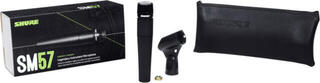
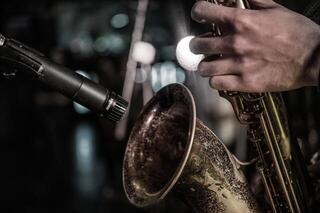
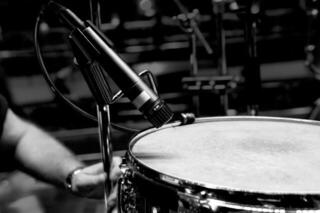
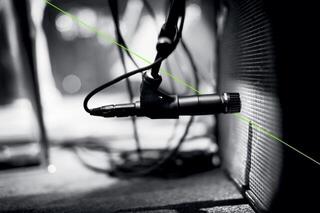
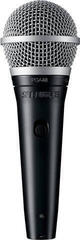
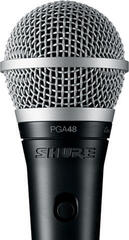
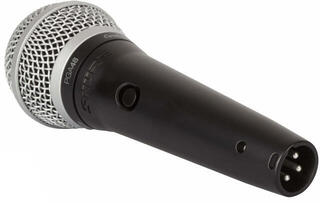
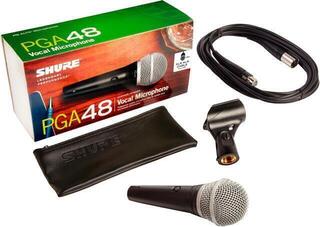
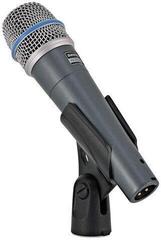
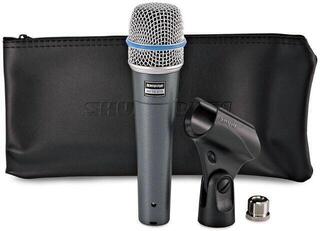
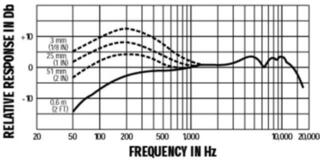
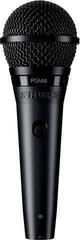
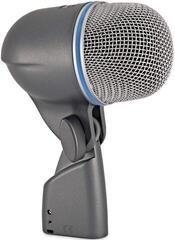
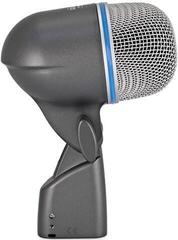
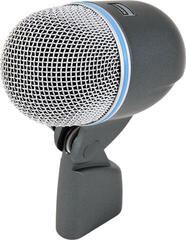
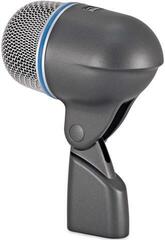
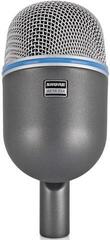
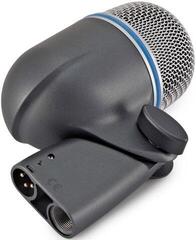
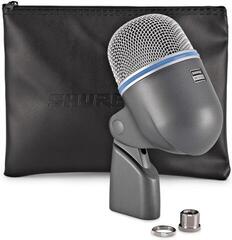
The traditional choice for a guitar amp and snare is the SM57, a dynamic instrument microphone that handles a very loud sound source at close range; the BETA 57A is its supercardioid counterpart. For kick drum, there are the BETA 52A, PGA52 and Nexadyne 2, designed for low notes and a strong attack, plus the flat BETA 91A boundary microphone, which is placed inside the drum. The BETA 56A, PGA56 and Nexadyne 6 cover toms and snare. Depending on the version, the miniature BETA 98 condenser clips onto a drum rim or the bell of a wind instrument, so it does not need a stand.
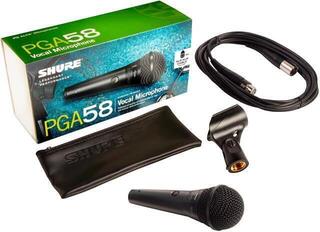
For miking a whole kit, a drum microphone set is the simpler option: it combines a kick drum microphone with snare and tom microphones, usually with rim mounts too. For example, the DMK57-52 consists of three SM57 microphones and one BETA 52A. PGA models are a more affordable route into Shure microphones than the BETA series. You will find more sets in Shure microphone sets for drums and percussion.
SM7B, SM7DB or a USB microphone: what should you choose for podcasts and streaming?
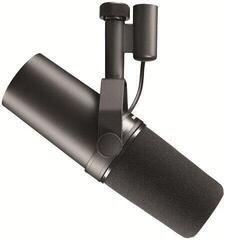
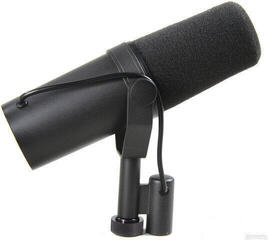
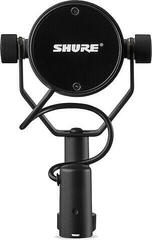
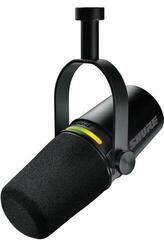
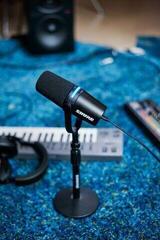
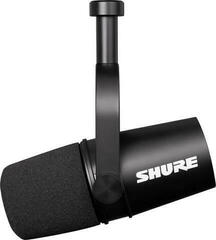
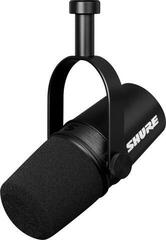
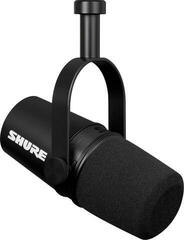
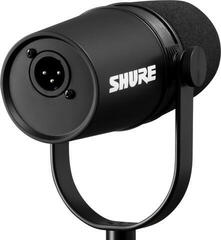
The SM7B is a dynamic microphone for speech and vocals that picks up little room reverberation when you speak close to it. Its output is low, though, so it needs an audio interface or preamp with plenty of gain. The SM7DB is based on the SM7B and has a built-in preamp that runs on phantom power, so a standard audio interface is enough.
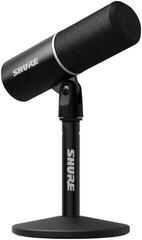
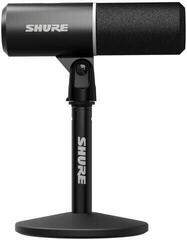
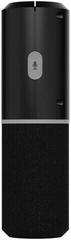
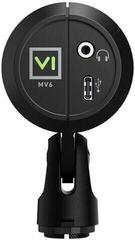
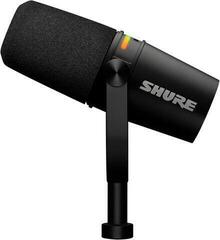
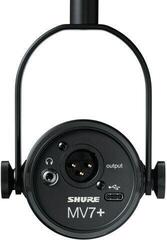
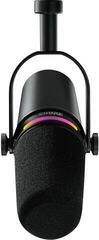
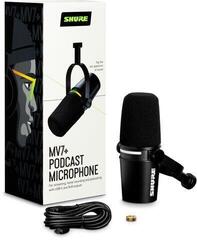
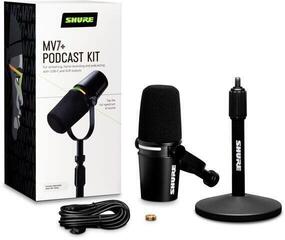
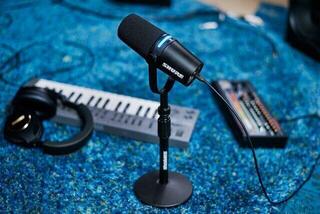
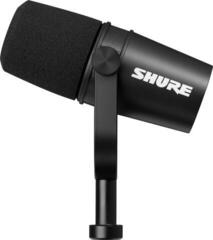
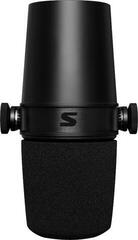
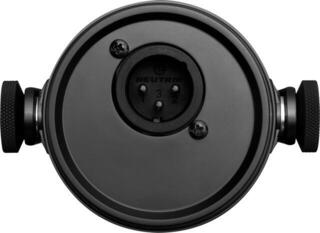
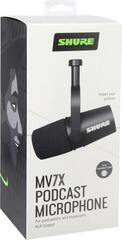
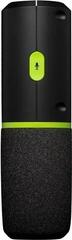
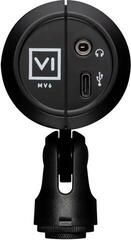
The MV series lets you work without an audio interface, as most models connect directly to your computer via USB. The MV7+ has both USB-C and XLR outputs, so you can connect it to a mixer later on; the exception is the MV7X, which only has XLR. The MV6 and MV5 are compact desktop USB microphones for streaming, online calls and gaming. You will find more models in Shure podcast microphones.
Headworn or lavalier microphone: what works for theatre, exercise classes and lectures?
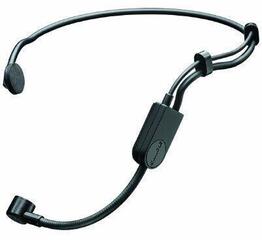
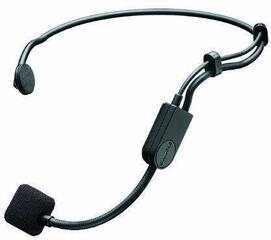
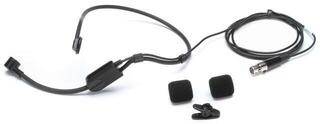
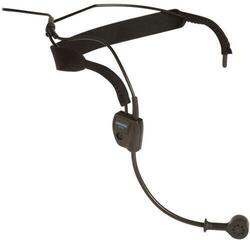
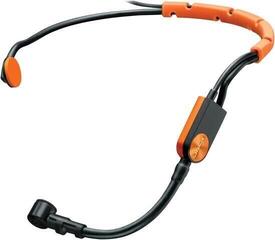
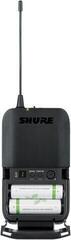
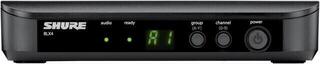
A headworn microphone keeps the capsule at the same distance from your mouth, so your voice does not get quieter when you turn your head. The WH20 is dynamic and also suits louder environments, such as exercise classes, while the WH30 and SM35 are condenser models that pick up the voice more sensitively. Lavalier microphones such as the SM93 or MX183 clip onto clothing and are less noticeable. Versions with a TQG (TA4F) connector are intended for Shure wireless transmitters, while you can connect XLR versions directly to a mixer with a cable.