Albania
 Argentina
 Australia
 Austria
 Belgium
 Bosnia and Herzegovina
 Brazil
 Bulgaria
 Canada
 Chile
 Colombia
 Croatia
 Czech Republic
 Denmark
 Estonia
 Finland
 France
 Germany
 Greece
 Hungary
 Ireland
 Italy
 Latvia
 Lithuania
 Luxembourg
 Mexico
 Moldova
 Montenegro
 Netherlands
 New Zealand
 North Macedonia
 Norway
 Philippines
 Poland
 Portugal
 Romania
 Serbia
 Slovakia
 Slovenia
 South Africa
 Spain
 Sweden
 Switzerland
 Turkey
 Ukraine
 United Kingdom
 United States of America


Flutes for beginners
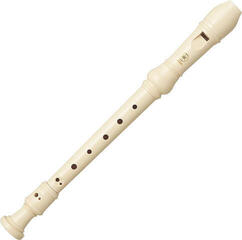
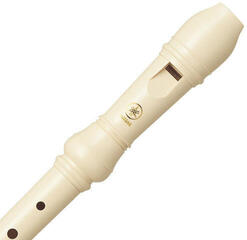
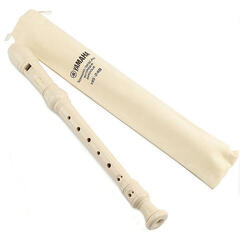
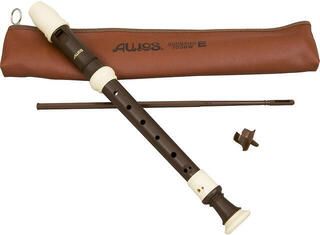
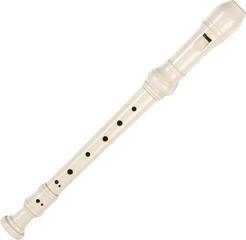
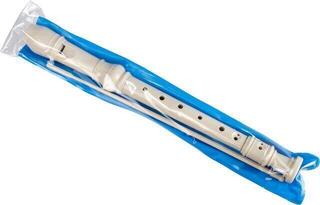
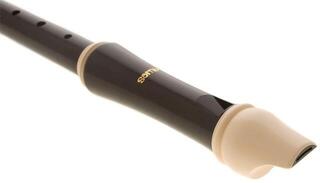
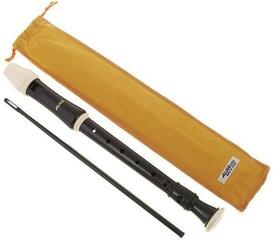
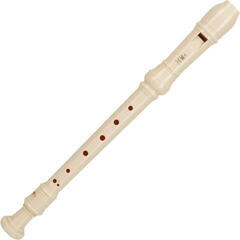
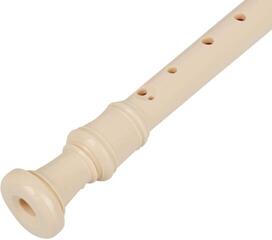
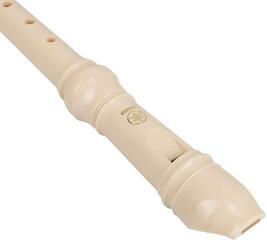
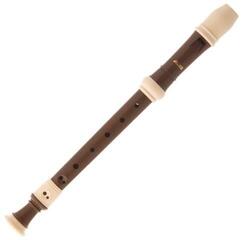
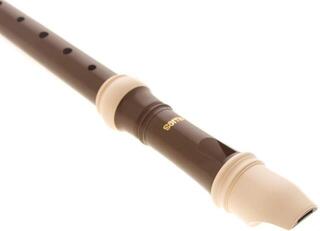
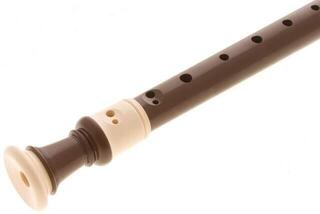
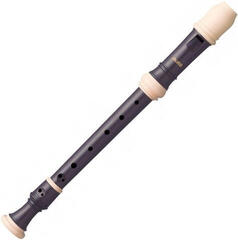
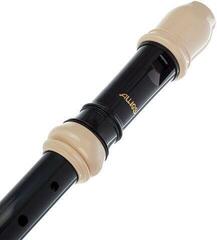
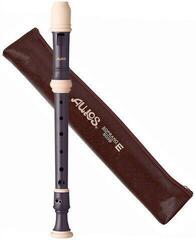
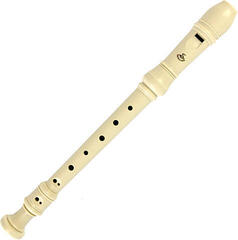
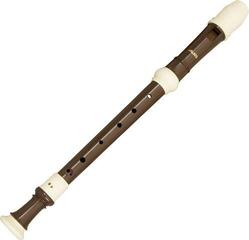
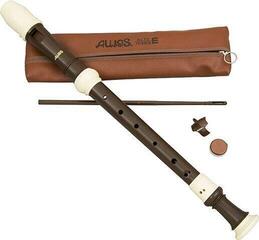
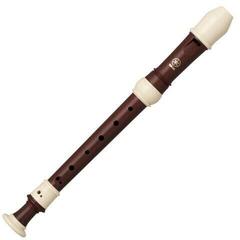
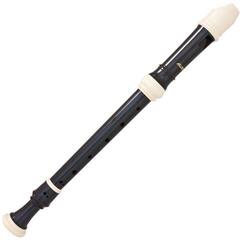
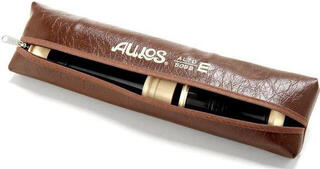
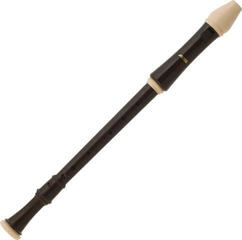
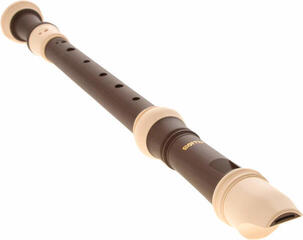
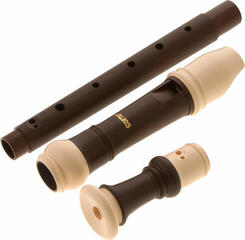
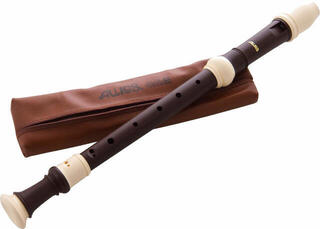
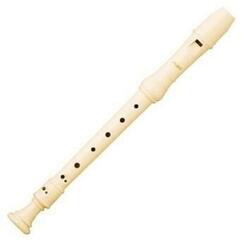
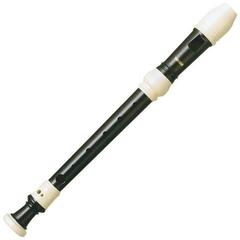
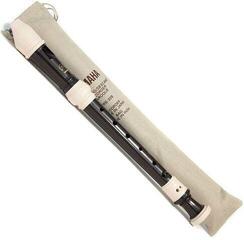
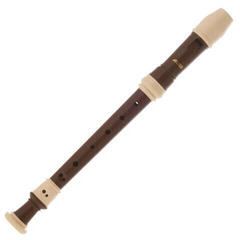
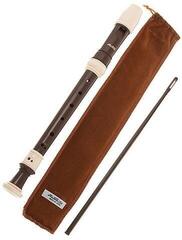
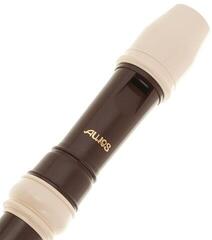
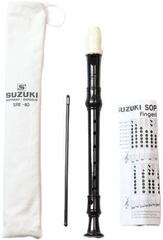
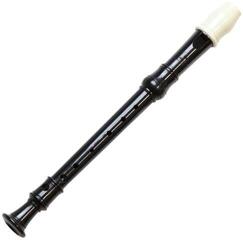
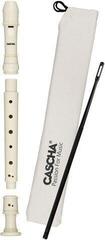
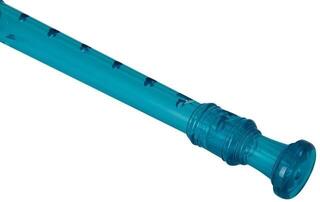
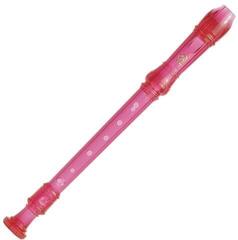
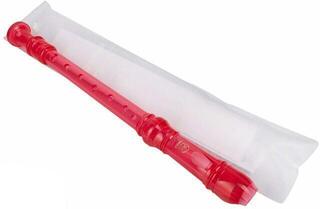
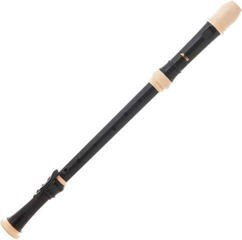
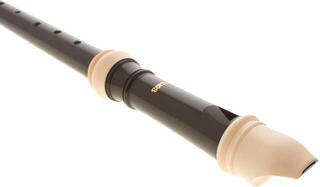
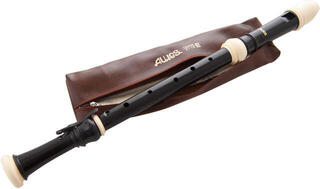
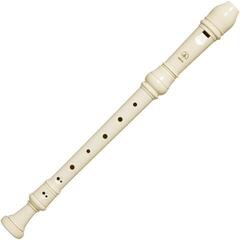
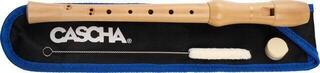
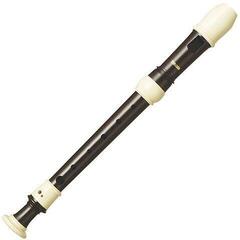
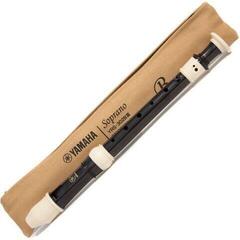
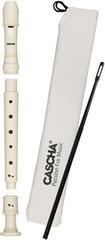
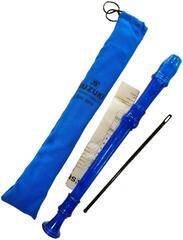
On this page you'll find recorders on which children and adults learn their first notes and songs, as well as student flutes for getting started on the concert flute. Most are soprano recorders in C, a common first instrument in music lessons, with alto, sopranino, tenor and bass recorders for playing in a duo or ensemble. Most recorders are made of plastic, while wooden instruments are offered mainly by the German makers Moeck and Mollenhauer. Other brands include Yamaha, Aulos, Yamakawa, Suzuki, NUVO, Hohner and Cascha; you'll also find flutes from Yamaha, Jupiter, Latone and Roy Benson here.
Which fingering should you choose: baroque or German?
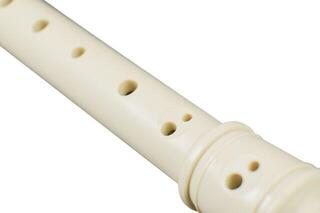
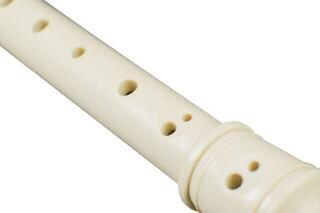
The fingering determines which holes you cover for each note, and recorders are made with two systems. German fingering simplifies the note F in the lower octave, which is why some teachers choose it for young children. As you progress, however, it makes some semitones harder, such as F sharp, and these then sound out of tune. Baroque fingering is more common and is used on most of the recorders on this page.
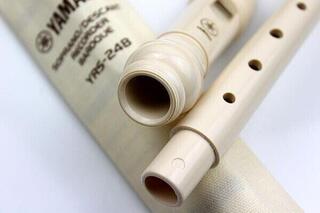
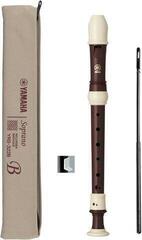
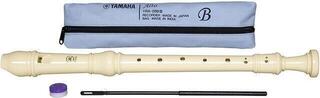
If your child is learning with a teacher, ask which fingering they use in class. On Yamaha recorders, the letter B at the end of the name identifies baroque fingering, for example YRS 24 B. A model without it, such as YRS 23, has German fingering.
Why start with a plastic recorder, and when should you move to wood?
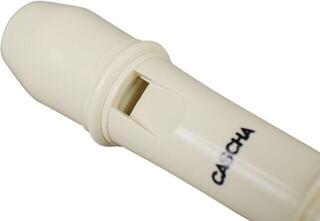
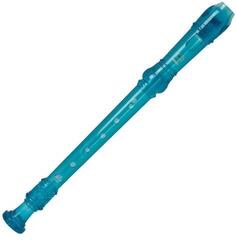
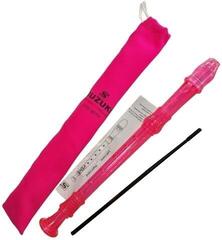
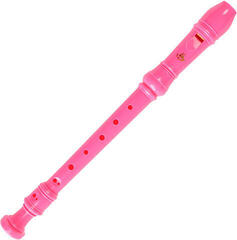
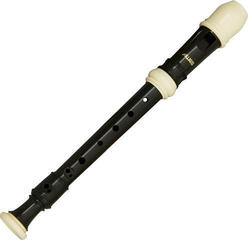
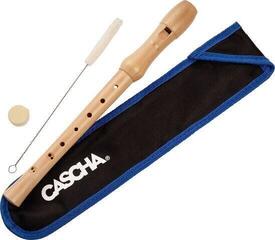
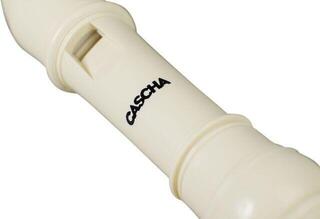
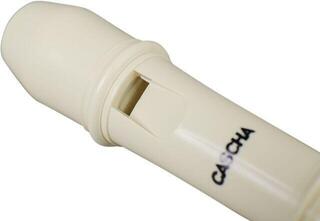
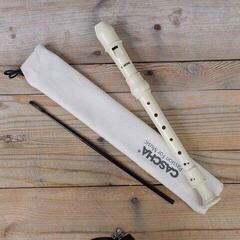
You can wash a plastic recorder with lukewarm water; it isn't bothered by cold or damp and sounds the same from the first day, making it a good fit for a school bag. Yamaha, Aulos and Yamakawa all have plastic recorders designed for teaching. For young children, you'll also find colourful NUVO recorders and Flötenlilli from Cascha here.
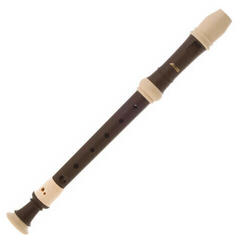
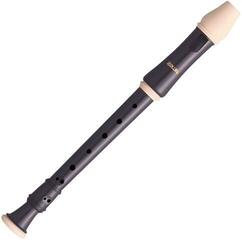
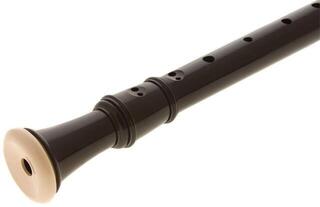
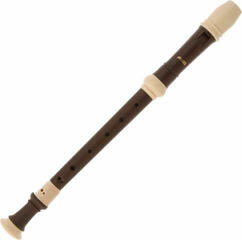
A wooden recorder made from maple, pearwood, rosewood or boxwood has a softer, warmer tone, but needs care. A new recorder needs several weeks of playing in, initially for just a short time each day, drying after playing and occasional oiling. Moeck has the wooden School, Flauto Rondo and Rottenburgh ranges, while Mollenhauer has Kynseker, Canta and Denner.
Recorder or flute?
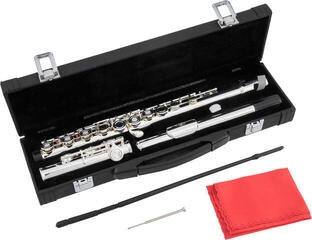
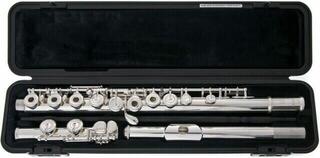
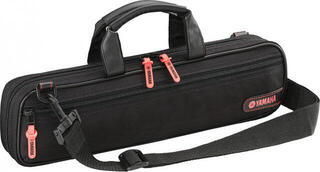
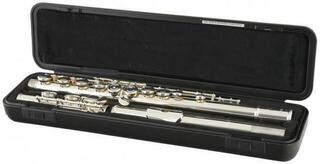
You hold a flute sideways at your mouth, and the sound comes from blowing across the edge of the hole in the headjoint rather than into a mouthpiece, so getting your first clear notes takes longer than on a recorder. Student flutes such as Yamaha YFL 212, Jupiter JFL700 or Latone LFL 311 are in C, have a key mechanism and usually have a silver-plated body. Most have an offset G key, which is easier for smaller hands to reach.
Closed-hole keys are easier to start with because your fingers don't have to cover the holes precisely. Open-hole keys are found on models such as Yamaha YFL 272, Jupiter JFL700R or Roy Benson FL-402R2; they require precise finger placement and give you more control over the tone. Jupiter JFL700E has a split E mechanism, which makes high E easier to play. Aulos AF-1 and AF-3S are plastic baroque flutes for early music.
What are alto, tenor and bass recorders used for?
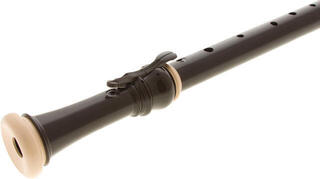
Among the common sizes, the soprano recorder in C is the small one whose holes a child can comfortably reach with their fingers. The alto recorder is in F, is larger and sounds a fifth lower. Adults often start on it because it suits larger hands better. The sopranino recorder is smaller still and higher in pitch, while the tenor in C and bass in F play the lower parts in an ensemble.
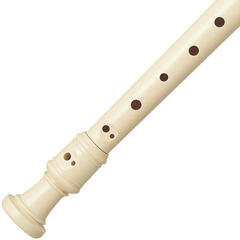
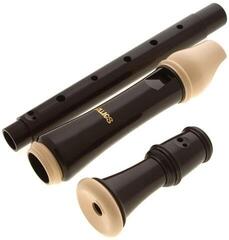
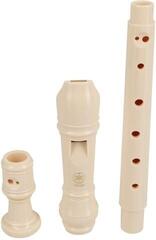
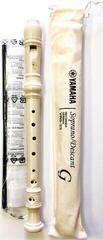
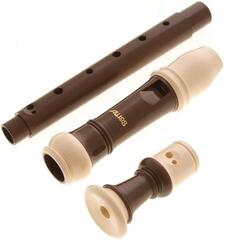
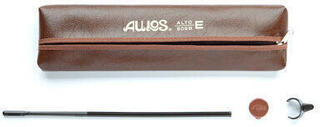
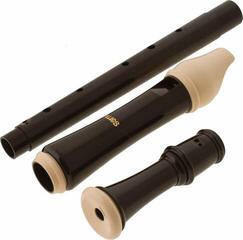
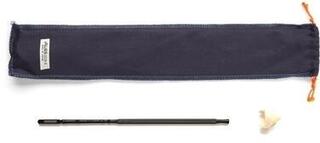
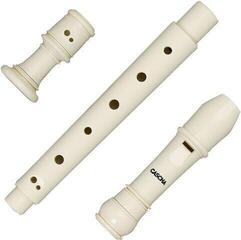
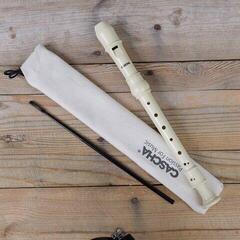
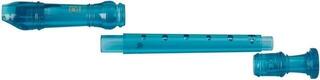
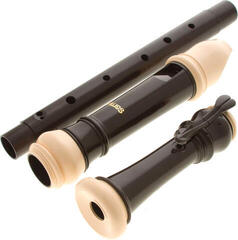
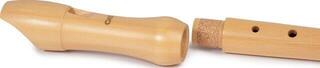
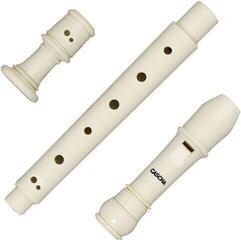
Most recorders have three sections, so you can turn the bottom section until your little finger comfortably reaches the last hole. SET editions include a music stand and a cleaning cloth alongside the recorder. When your child outgrows the recorder, you'll find other instruments on the Wind instruments for beginners page, such as Clarinets for beginners.