Albania
 Argentina
 Australia
 Austria
 Belgium
 Bosnia and Herzegovina
 Brazil
 Bulgaria
 Canada
 Chile
 Colombia
 Croatia
 Czech Republic
 Denmark
 Estonia
 Finland
 France
 Germany
 Greece
 Hungary
 Ireland
 Italy
 Latvia
 Lithuania
 Luxembourg
 Mexico
 Moldova
 Montenegro
 Netherlands
 New Zealand
 North Macedonia
 Norway
 Philippines
 Poland
 Portugal
 Romania
 Serbia
 Slovakia
 Slovenia
 South Africa
 Spain
 Sweden
 Switzerland
 Turkey
 Ukraine
 United Kingdom
 United States of America


Cleaning and Maintenance for Brass
Maintenance of a wind instrument depends on its material and mechanism: you must not soak wood, you may rinse metal tubing according to the instructions, and pads must be kept away from water. The common rule is to remove condensation after every playing session. A universal kit without the correct dimensions may become stuck or damage the surface.
Pull a swab through woodwinds one section at a time
Disassemble a clarinet, oboe or bassoon by holding its solid parts, not the keys. The swab must pass freely through the bore. Apply a thin layer of the specified grease to corks; oil the wood only according to the manufacturer’s or technician’s instructions.
A saxophone needs a dry mouthpiece and body
After playing, remove the reed, wipe the mouthpiece and pull an absorbent swab through the body. With instruments in the saxophone family, take care around the octave key post and pads. Do not rinse the mechanism under water.
Brass instruments use their own lubricants
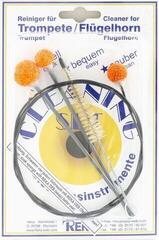
Valve oil, slide grease and trombone slide lubricant are not interchangeable. Before rinsing, remove the parts according to the instructions and use lukewarm, not hot, water. Do not allow felts and corks to become soaked.
Clean the surface with a separate cloth
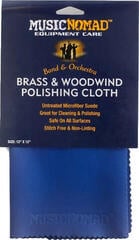
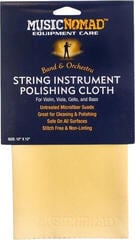
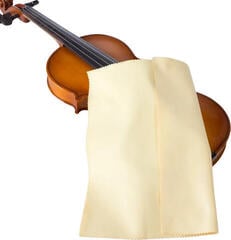
Lacquer, silver and raw brass each require different products. You can find a selection of soft materials among cleaning and polishing cloths. An aggressive polish may remove the lacquer or leave residue around the keys.
Tailor maintenance to the material and bores of your specific instrument, and remove moisture after every playing session before you close the case.