 Albania
 Argentina
 Australia
 Austria
 Belgium
 Bosnia and Herzegovina
 Brazil
 Bulgaria
 Canada
 Chile
Chile
 Colombia
 Croatia
 Czech Republic
 Denmark
 Estonia
 Finland
 France
 Germany
 Greece
 Hungary
 Ireland
 Italy
Italy
 Latvia
 Lithuania
 Luxembourg
 Mexico
 Moldova
 Montenegro
 Netherlands
 New Zealand
 North Macedonia
 Norway
 Philippines
 Poland
 Portugal
 Romania
 Serbia
 Slovakia
 Slovenia
 South Africa
 Spain
Spain
 Sweden
 Switzerland
 Turkey
 Ukraine
 United Kingdom
 United States of America



Cajons | page 7
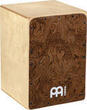
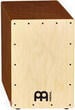
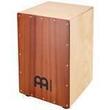
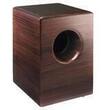
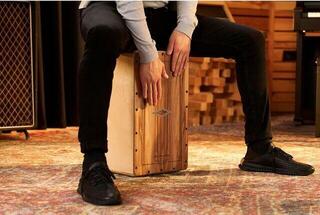
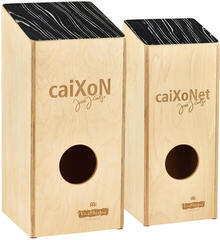
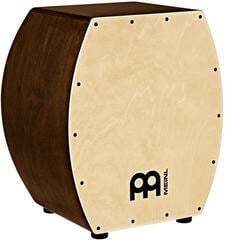
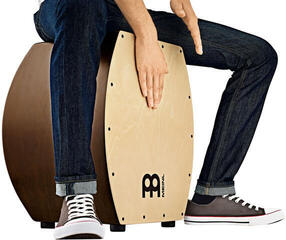
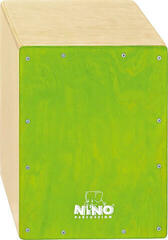
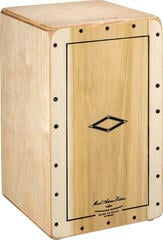
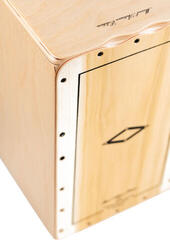
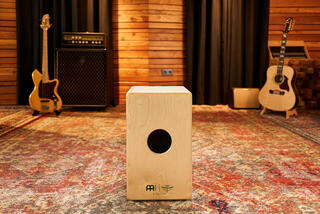
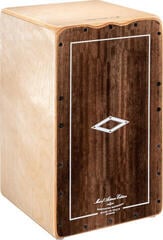
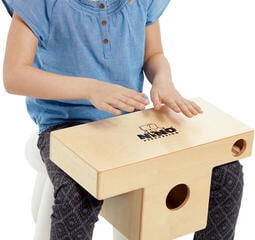
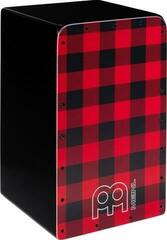
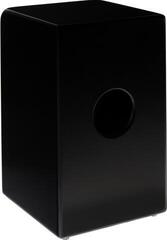
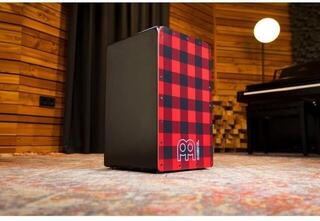
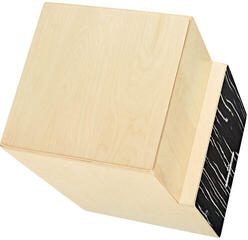
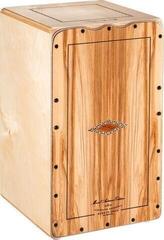
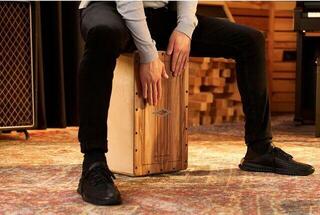
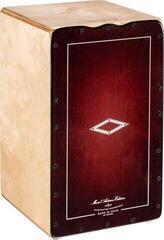
Cajons, also searched as kachon or cajón, are compact rhythm instruments that you sit on and play with your hands. Choose by material, size, snare response, intended use and accessories. That helps you find an instrument for home practice, acoustic playing, school sessions or a small stage.
How to choose cajons
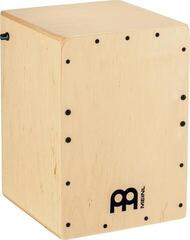
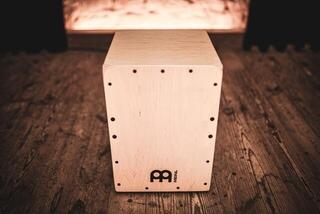
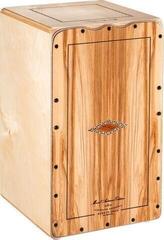
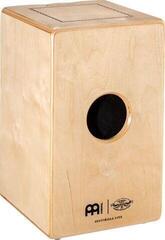
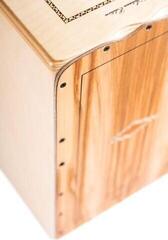
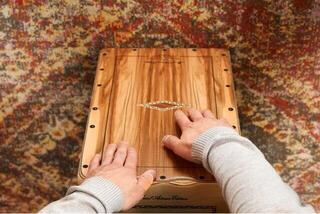
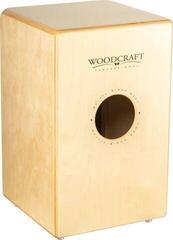
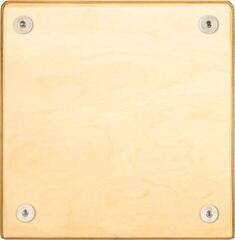
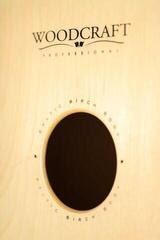
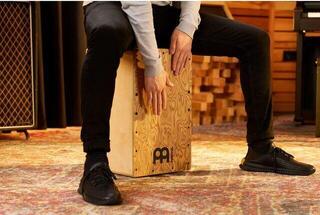
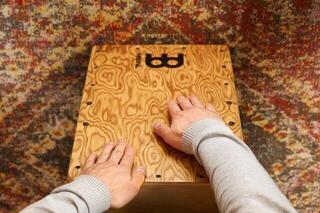
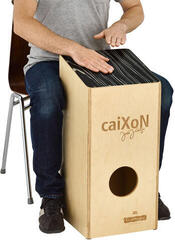
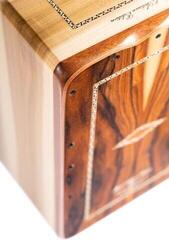
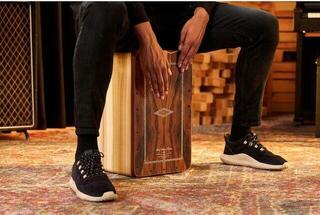
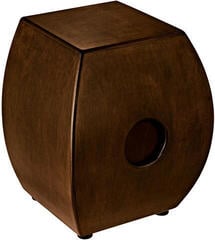
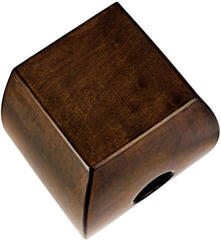
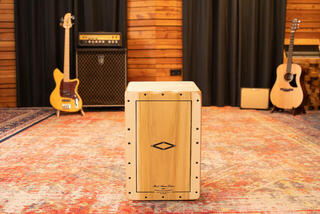
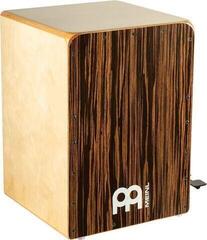
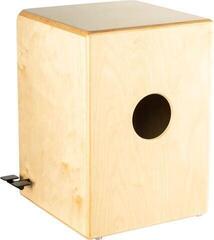
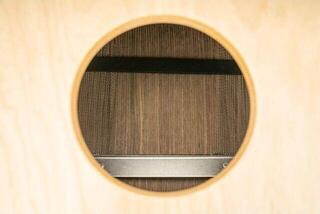
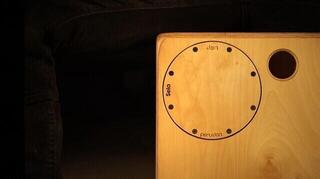
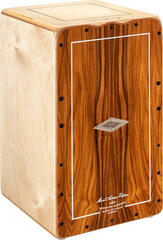
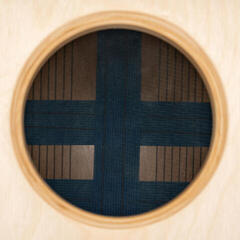
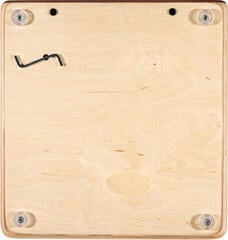
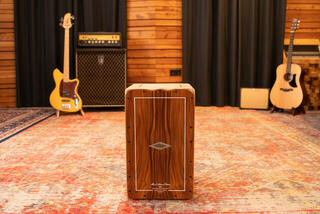
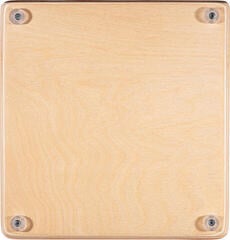
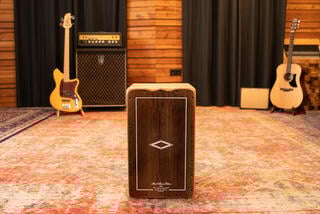
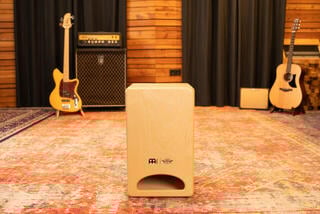
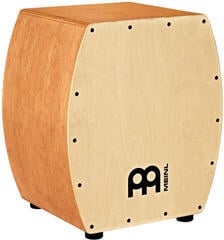
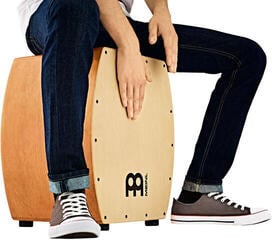
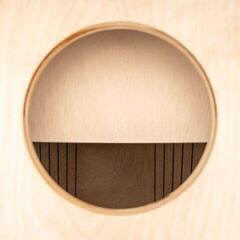
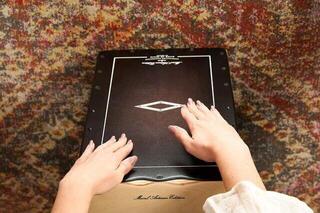
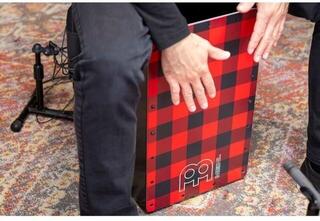
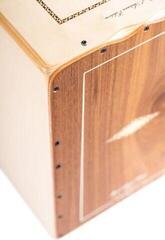
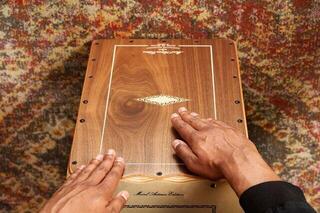
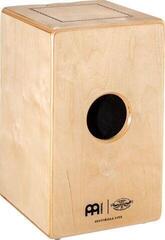
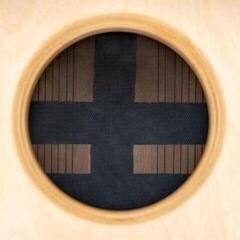
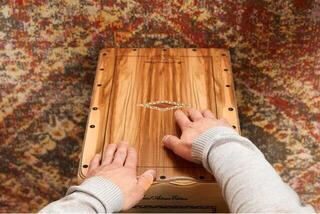
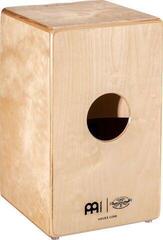
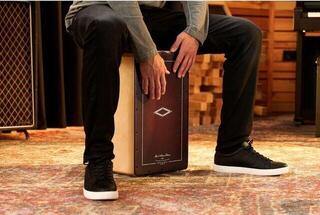
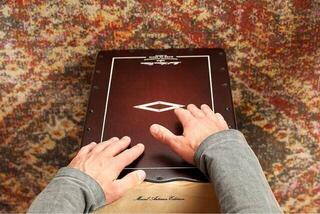
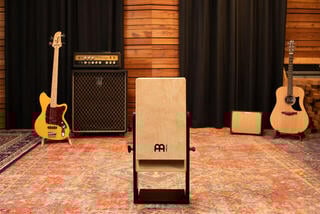
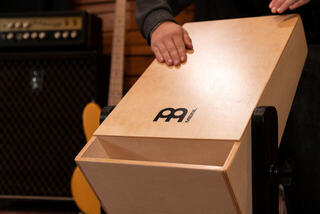
A cajon is a hollow box-shaped percussion instrument where your hands strike the front plate while you sit on the body. A deeper hit in the centre gives a bass-like pulse, a sharper strike near the edge adds a slap, and models with strings or a snare element bring a crisp rattling character. In a small line-up, a cajon can replace a simple drum accompaniment without a full drum kit.
Do not choose by price alone. A cheaper cajon can be a good start for home practice, but regular playing also makes comfort, body stability, front-plate response, transport and possible amplification important. Think about whether you want a natural acoustic sound or a model that is easier to use on stage.
Material and sound
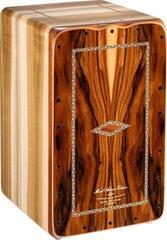
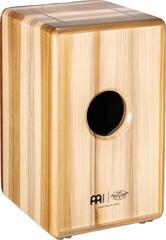
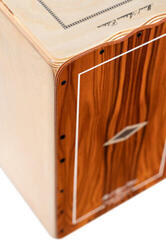
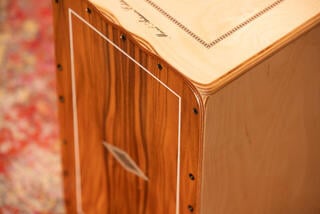
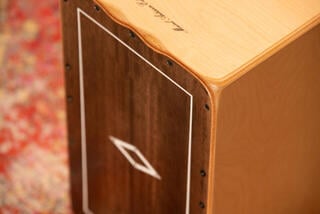
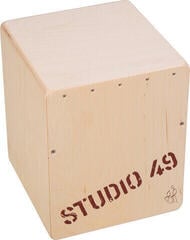
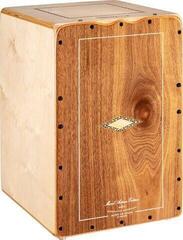
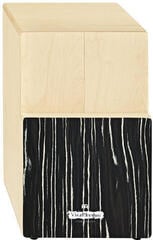
Wooden cajons are a natural choice if you want a warmer tone, lively response and classic look. They suit singing, guitar, street playing and home practice. Laminate cajons are practical when you need a tougher surface and consistent sound for frequent transport or school use.
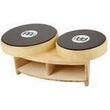
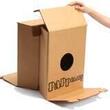
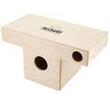
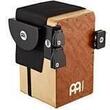
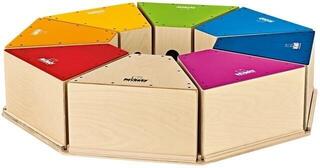
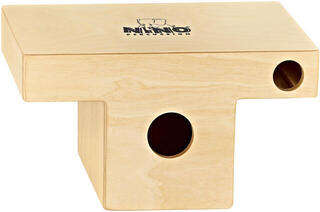
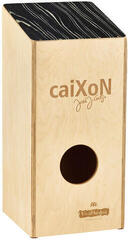
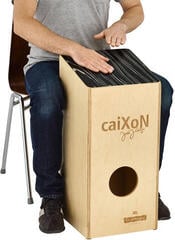
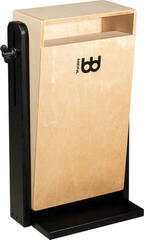
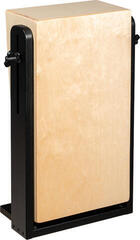
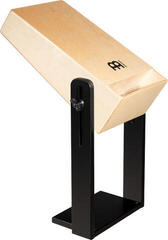
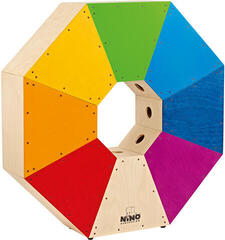
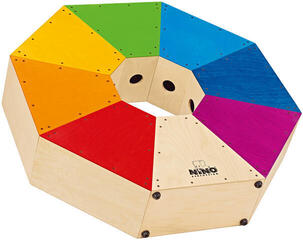
Cardboard cajons make sense as a light instrument for first rhythms, workshops or travel when you do not want to carry a heavier box. Bongo cajons offer a different attack colour and more hand-playing character in the style of smaller percussion. If you want an unusual effect, shape or expanded sound, also look at special cajons.
Size, comfort and playing level
For beginner cajons, focus mainly on easy response: the instrument should clearly separate a bass hit from a sharp slap so you hear the rhythm immediately. For a child or travel, a smaller and lighter model is practical, while adult players should watch sitting height and stability so longer sessions do not force an uncomfortable posture.
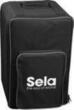
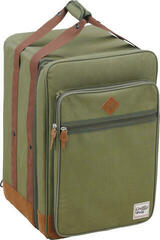
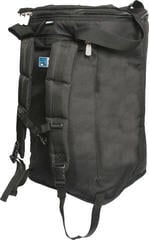
If you play at home or at school, a universal cajon with simple care is enough. For an acoustic concert or a small rehearsal, a sturdier model with a comfortable playing surface is worth considering. When you carry the instrument often, plan for a case or bag because damaged corners and a marked front plate can change the feel of the instrument.
Strings, snare effect and amplification
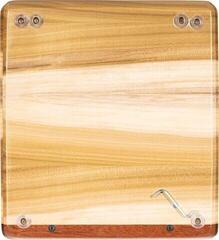
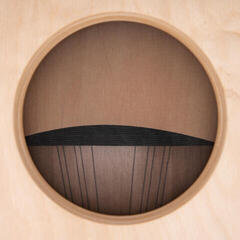
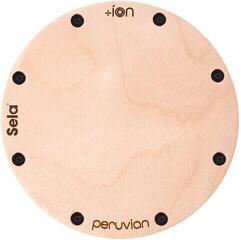
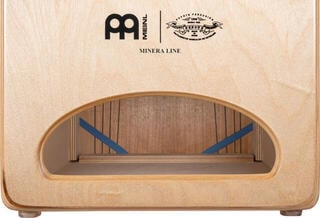
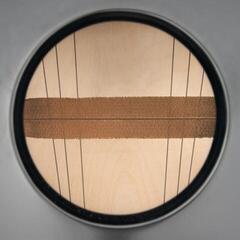
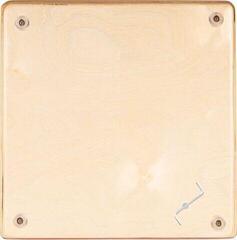
Strings or a snare element add a crisp rattle to the classic wooden hit, similar to a small drum. If you want sensitive response for quiet finger playing, check whether the response can be adjusted or whether the instrument reacts evenly at lower volume. A very strong snare effect can be fun in a band, but it may feel too sharp at home.
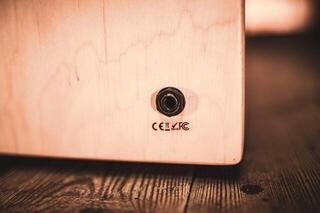
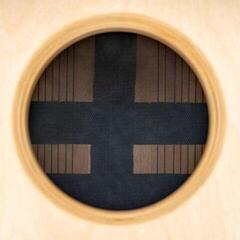
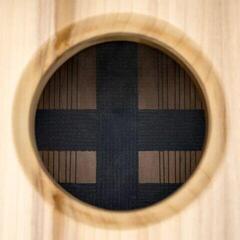
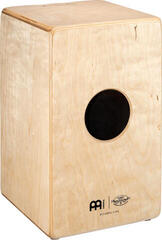
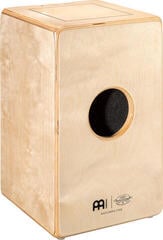
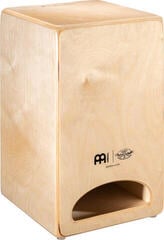
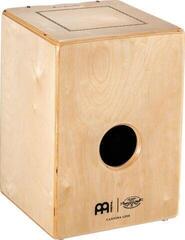
For stage use or playing with louder instruments, consider how the cajon will be amplified. Some models are used with a microphone near the sound hole, while others may include pickup-ready or electroacoustic solutions. If you are not sure whether you will play live, a universal acoustic model that can be amplified later is a safe choice.
Which type of cajon to choose
| Situation | What to look for | Why |
|---|---|---|
| You are starting | universal wooden or laminate cajon | you can easily hear bass, slap and the basic rhythm without complex setup |
| You play with vocals or guitar | warmer wooden tone and sensitive front plate | the sound blends naturally into an acoustic line-up |
| You want a stronger band rhythm | snare/string effect and amplification option | the cajon can cut through better among other instruments |
| You travel often | lighter model, smaller size or cardboard version | transport is easier and the instrument adds less weight to your gear |
| You experiment with sound | bongo or special cajon | you get a different attack colour and more options for percussion arrangements |
Accessories that make sense
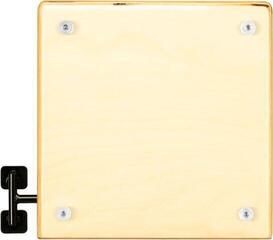
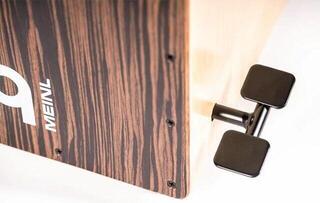
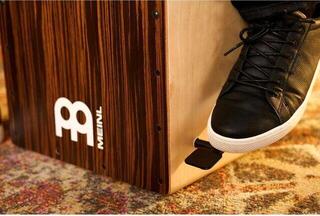
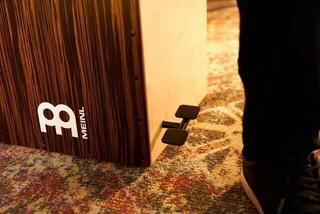
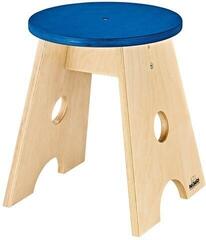
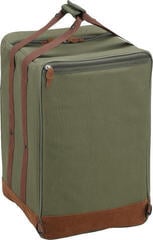
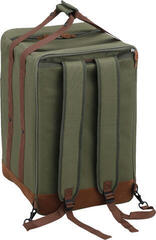
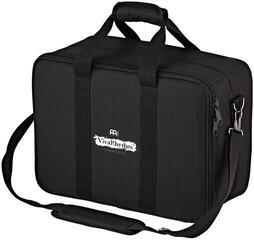
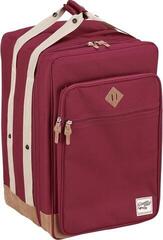
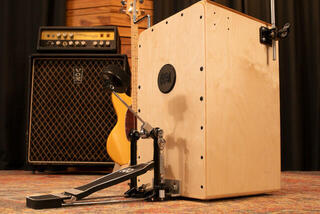
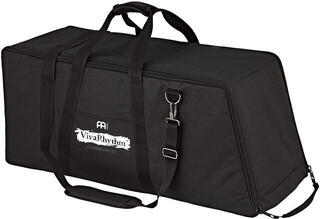
A good cajon also benefits from sensible cajon accessories. A bag or case protects the instrument in transport, a seat pad improves comfort during longer playing and brushes or special sticks expand the sound without replacing the instrument. Add a pedal or small percussion extras only when you know the cajon will be part of a larger rhythm setup.
When comparing cajon price or a cajon set, treat price as one part of the decision rather than the only filter. For home learning, a simpler set is enough, while regular rehearsals justify a sturdier instrument with protection and comfortable seating. Choose brands such as Sela, Meinl or Nino by the specific model, sound and playing style, not by the name alone.