 Albania
 Argentina
 Australia
 Austria
 Belgium
 Bosnia and Herzegovina
 Brazil
 Bulgaria
 Canada
 Chile
Chile
 Colombia
 Croatia
 Czech Republic
 Denmark
 Estonia
 Finland
 France
 Germany
 Greece
 Hungary
 Ireland
 Italy
Italy
 Latvia
 Lithuania
 Luxembourg
 Mexico
 Moldova
 Montenegro
 Netherlands
 New Zealand
 North Macedonia
 Norway
 Philippines
 Poland
 Portugal
 Romania
 Serbia
 Slovakia
 Slovenia
 South Africa
 Spain
Spain
 Sweden
 Switzerland
 Turkey
 Ukraine
 United Kingdom
 United States of America



Looper: how it works and which to choose
A looper records a riff and plays it back in a loop, so you layer more parts on top live. It turns one player into a whole band. We show you how a looper works, what it is good for and which model to choose, from a compact pedal to vocal stations.
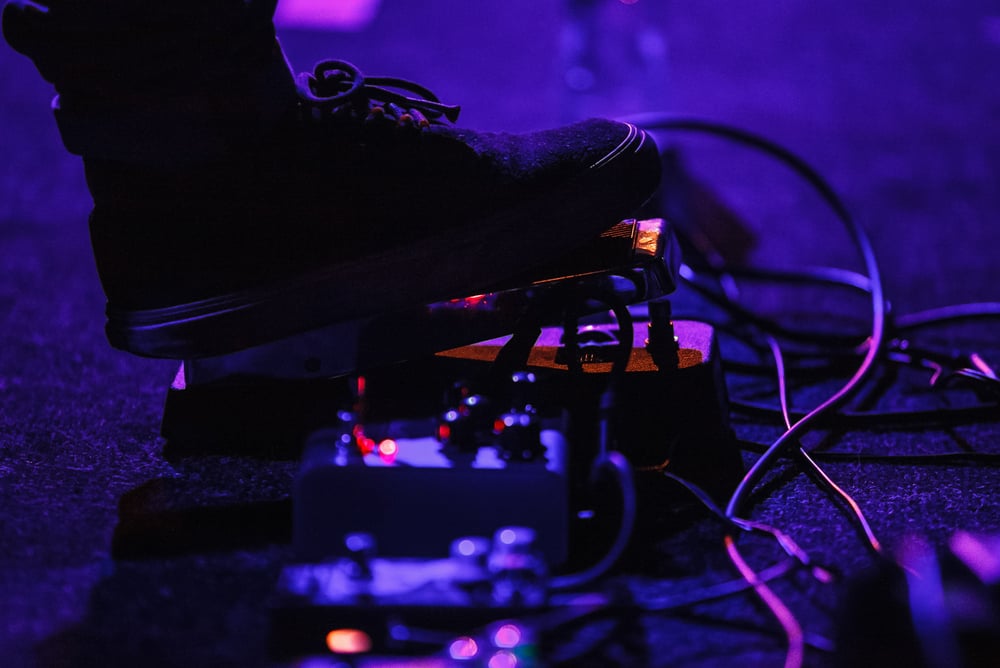
What is a looper and what is it for?
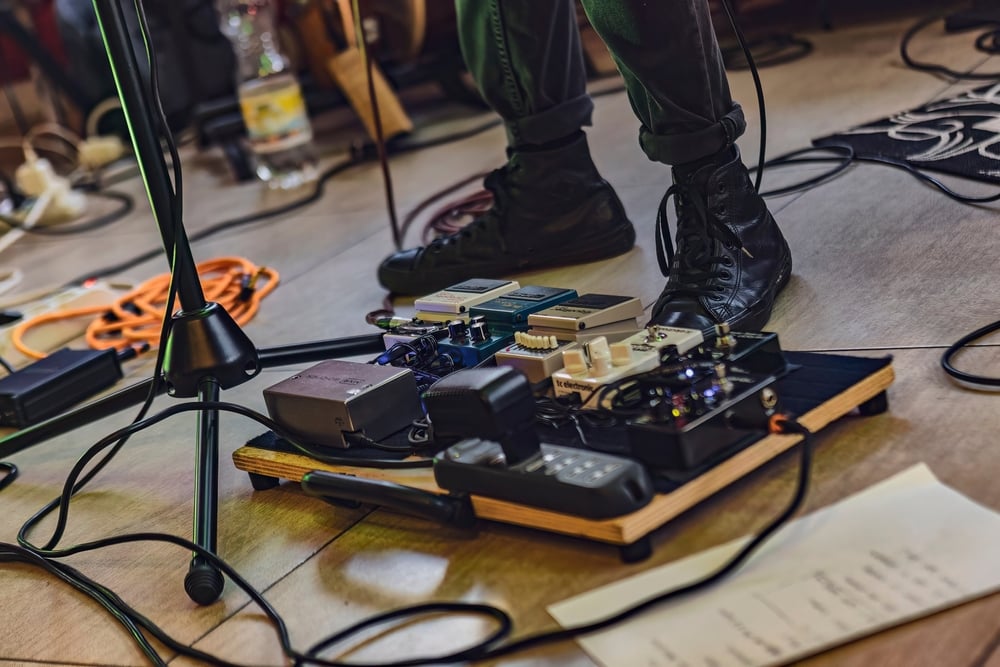
A looper (also called a loop station) is an effect that records a piece of your playing and immediately plays it back in a loop. Over that loop you then play more layers. From a single guitar you build the rhythm, the melody and a solo at once, live. It is a tool for practice, songwriting and performing. In other words, a looper is your own band in one box.
How does a looper work?
It works in three steps: record, layer, play. You press the footswitch, play a phrase and press again so it starts repeating. Then you add more layers (overdub) over the first one. You control everything with your feet, so your hands stay free to play. The better the looper, the more tracks and longer recording it handles.
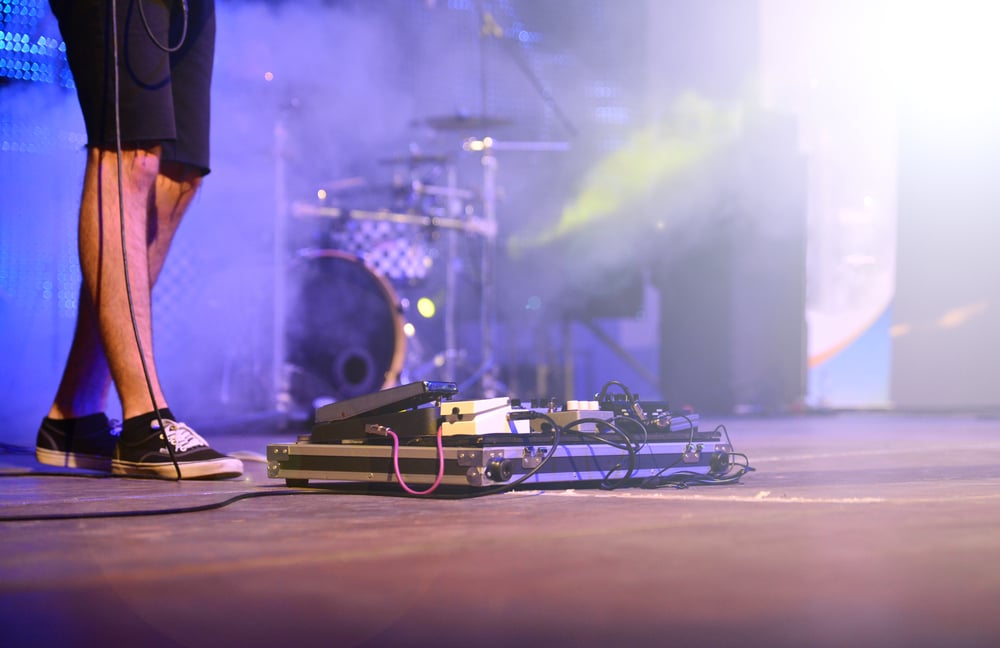
What is a looper good for?
A looper has three main uses. First, practice: you record chords and practise solos over them. Second, songwriting: you quickly test how the parts sound together. Third, live performance, where you alone sound like a whole band. It was live that Ed Sheeran made the looper popular. It suits the electric guitar, acoustic, vocals and keys.
What types of loopers are there?
There are several kinds of loopers depending on the number of tracks and how you control them. You will find the full range in the loopers category.
Compact looper pedal
The simplest type with one footswitch and one track. Ideal to start with and for a pedalboard. A classic is the TC Electronic Ditto or the slightly more capable TC Electronic Ditto+. From Boss the popular Boss RC-5 belongs here.
Multi-track looper
It has several separate tracks that you start and mute individually. With it you can build a whole song. See the Boss RC-500 for guitarists or the elaborate Boss RC-600 with many tracks and rhythms.
Tabletop and vocal looper
Tabletop models are made for hands and a mic, not for the feet. The Boss RC-505 MkII is a favourite of beatboxers and electronic musicians. For clean vocals the TC Helicon Ditto Mic works, plugging straight into a microphone.
Looper in a multi-effect and workstation
You often find a looper built into bigger devices. The Boss GX series multi-effects have one inside, and the Headrush brand offers an extensive looperboard. If you already have a multi-effect, you might have a looper without knowing it.
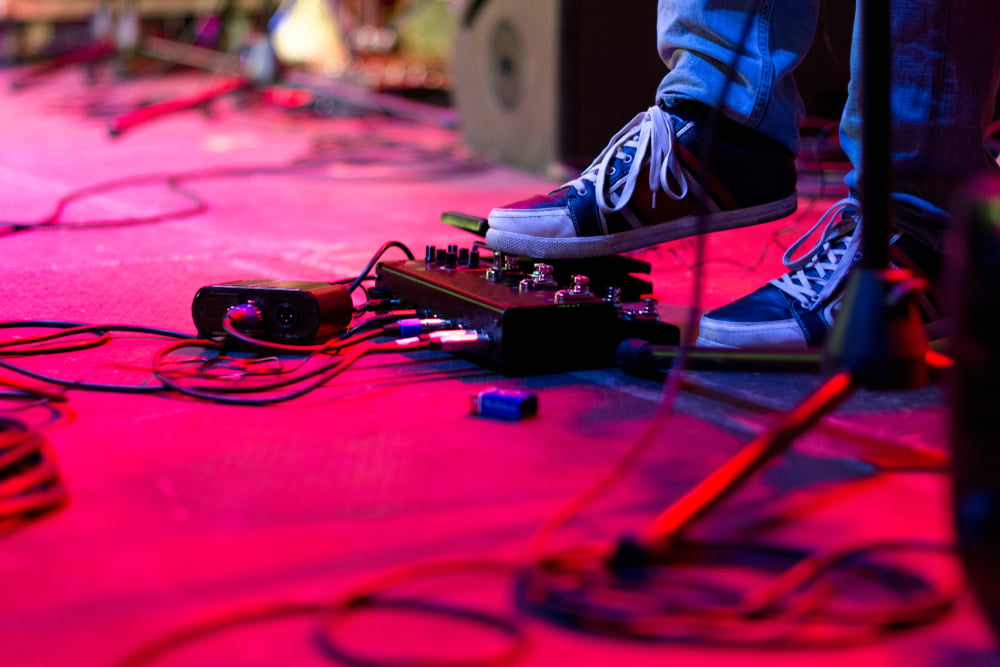
How to choose a looper?
Decide by what you want to do. For practice and a first pedal a single-track model is enough. To build songs you want more tracks. For vocals and beatbox take a tabletop or vocal looper. Watch the recording length, the number of tracks, a stereo output and whether it has rhythms. For a guitarist it matters that it fits on a pedalboard.
Which looper to choose? Specific models
For a beginner the best choice is the TC Electronic Ditto or the Boss RC-5. They are cheap, simple and hard to get wrong. Anyone who wants to build whole songs will appreciate the Boss RC-500 or Boss RC-600. For vocals and electronics reach for the Boss RC-505 MkII or TC Helicon Ditto Mic. For maximum tracks there are specialists like the Electro-Harmonix 45000 or DigiTech JamMan. All clearly laid out in the loopers category.
Frequently asked questions about loopers
What is a looper and how does it work?
A looper is a device that records a piece of playing and plays it back in a loop. Over that loop you then play more layers. You control it with your foot via a switch, so your hands stay free for the guitar.
Which looper for a beginner?
The best is a simple single-track pedal. The TC Electronic Ditto and Boss RC-5 are great. You learn the basics on them and they fit on a pedalboard.
Can you use a looper for vocals?
Yes. For vocals take a looper with a mic input, such as the TC Helicon Ditto Mic or the tabletop Boss RC-505 MkII. You plug a microphone into it and layer voices like a live act.
Do I need a computer for a looper?
No. A looper is a standalone device and works without a computer. You just connect it between the instrument and the amp, or a microphone. You only use a computer to back up loops on higher-end models.
What looper does Ed Sheeran use?
Ed Sheeran made live looping famous and uses his own signature looper built on Headrush technology. The principle is the same as with an ordinary looper, just with a layout tailored to his show.
Choose your looper
A looper is the cheapest way to turn one instrument into a whole band. For practice, songwriting and the stage. Have a look at loopers from Boss, TC Electronic and Headrush, or the whole guitar effects range. How to place it in your chain is in the articles pedalboard and how to choose a guitar effect.