 Albania
 Argentina
 Australia
 Austria
 Belgium
 Bosnia and Herzegovina
 Brazil
 Bulgaria
 Canada
 Chile
Chile
 Colombia
 Croatia
 Czech Republic
 Denmark
 Estonia
 Finland
 France
 Germany
 Greece
 Hungary
 Ireland
 Italy
Italy
 Latvia
 Lithuania
 Luxembourg
 Mexico
 Moldova
 Montenegro
 Netherlands
 New Zealand
 North Macedonia
 Norway
 Philippines
 Poland
 Portugal
 Romania
 Serbia
 Slovakia
 Slovenia
 South Africa
 Spain
Spain
 Sweden
 Switzerland
 Turkey
 Ukraine
 United Kingdom
 United States of America



Bags and Cases for Speakers and Subwoofers | page 2
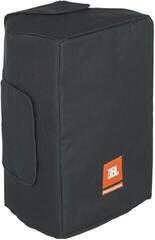
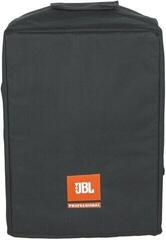
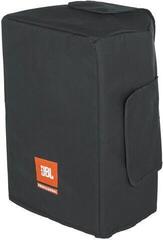
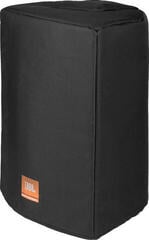
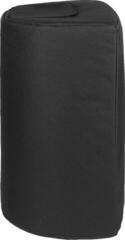
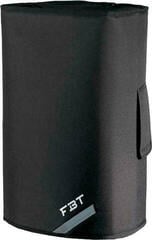
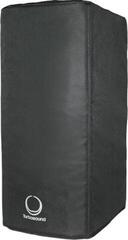
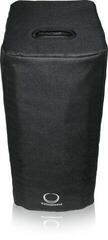
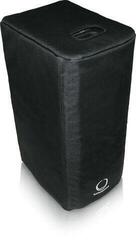
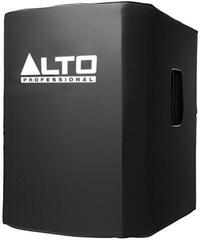
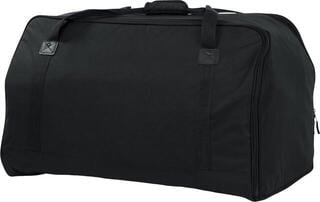
A cover for a PA speaker or subwoofer should fit the specific unit, not just an approximate size class. Start with the exact model and its external dimensions, then consider how it will be carried and how much protection is needed. Storage in a rehearsal room calls for a different solution than equipment that is loaded into a vehicle regularly. Dimensions, construction and handling details all matter.
Check the model and external dimensions first
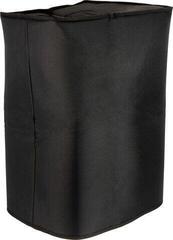
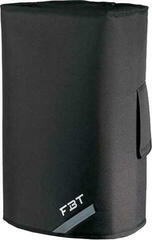
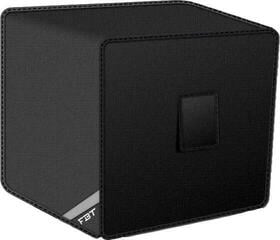
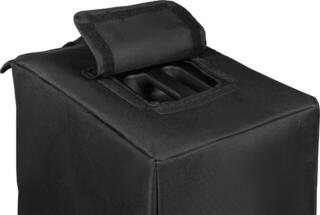
The safest choice is a cover made for the exact speaker or subwoofer model. If the manufacturer lists several compatible units, compare that list with your model number. For a universal cover, measure the full width, height and depth of the cabinet, including protruding controls, feet or wheels. Driver size alone, such as 10, 12 or 15 inches, is not enough: two cabinets with the same driver size can have different external dimensions.
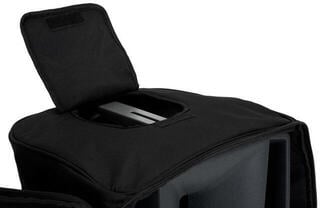
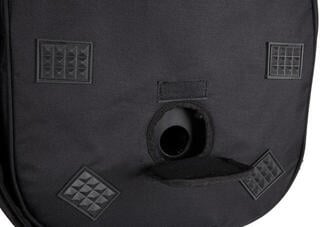
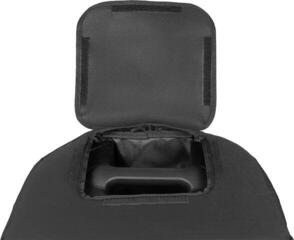
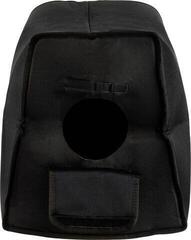
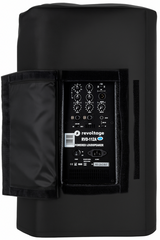
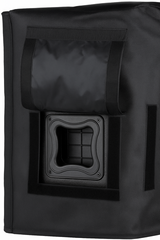
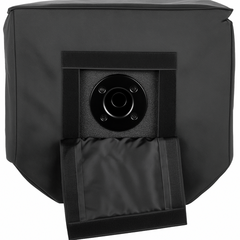
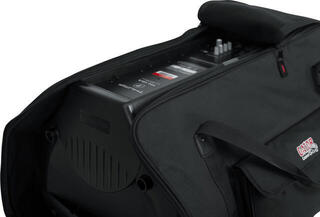
Check the position of the handles and connector panel as well. Openings and flaps are useful only when they line up with the actual unit. If internal dimensions are provided, allow enough clearance to fit the cover without leaving so much room that the equipment moves unnecessarily while being carried.
Speaker, subwoofer or a complete portable system?
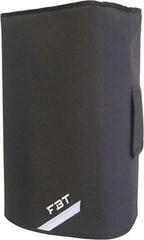
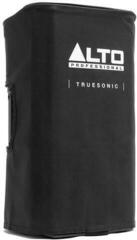
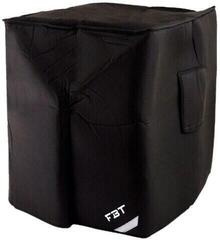
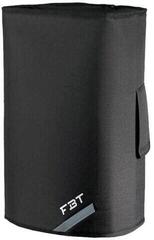
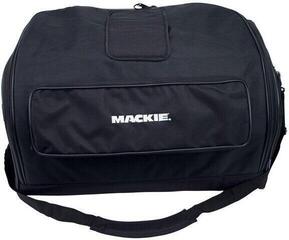
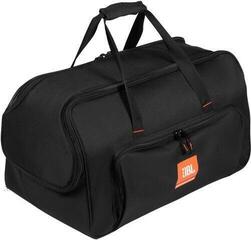
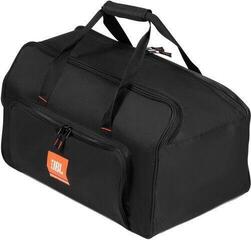
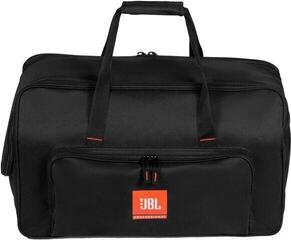
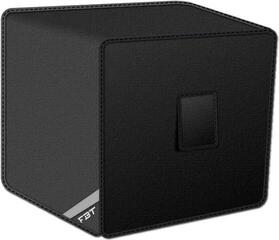
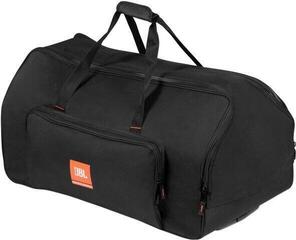
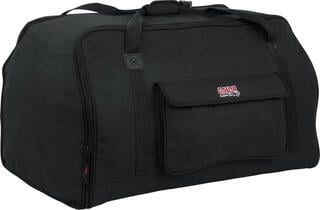
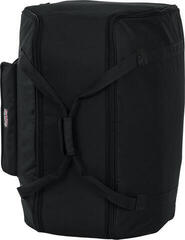
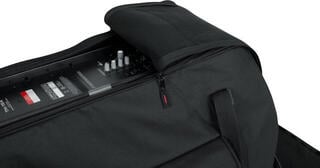
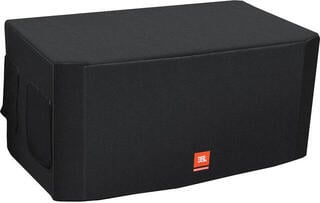
For standard active and passive cabinets, browse speaker bags. Deeper and heavier bass units have a separate range of subwoofer bags. With column and multi-part systems, check whether the components travel together or each needs its own cover.
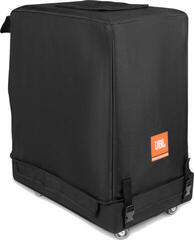
A product-series name does not confirm that one bag will hold the whole system. A set may include a separate bass module, column sections, a spacer pole and other parts with different dimensions. Look for an exact list of compatible components and check whether the bag has one shared compartment or separate sections. If the system uses several bags, check every part separately and store cables so they do not press against the control panel or cabinet finish.
Match the level of protection to the job
A simple cover may be enough for moving equipment between rooms and protecting the finish during storage. Regular loading makes padding, reinforced stress points and the closure more important. A hard case can separate the unit more effectively from surrounding equipment, but it also adds bulk and weight. Always assess padding thickness, material and resistance from the specifications of the individual product.
The word “cover” does not automatically mean rain protection. For outdoor transport, look for an explicit water-resistance rating or intended-use statement. Zips, seams and handle openings may offer a different level of protection from the main fabric.
Storage, loading and travel involve different risks
During storage, the main concerns are dust, surface abrasion and accidental contact with controls. Loading puts strain on corners, the base, zips and handles; however, never use the cover as a lifting point unless its handles are designed for that purpose. In a vehicle, position the unit so it cannot slide or be crushed by other equipment. Soft padding reduces ordinary contact but does not replace sensible load distribution and securing.
Bag, hard case or trolley: what does each one do?
| Solution | When it makes sense | What to check |
|---|---|---|
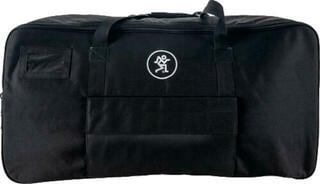
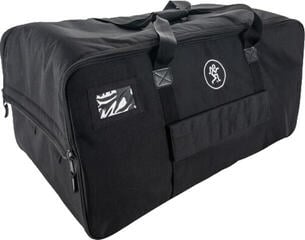
| Fabric bag or padded cover | Frequent manual carrying and storage with little extra weight | Compatibility, padding, closure, handle and strap positions |
| Hard case | Transport among other equipment when a rigid outer shell is needed | Internal dimensions, weight, hardware, handles and loading space |
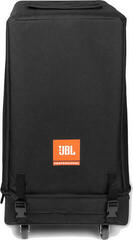
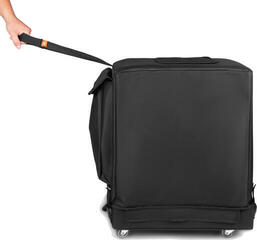
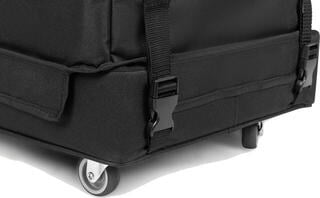
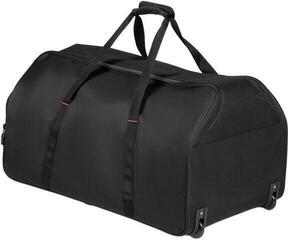
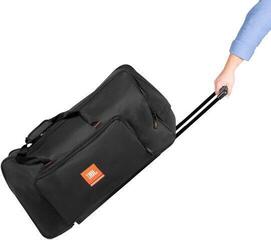
| Trolley or wheeled transport bag | Longer moves with heavier equipment on an even surface | Load capacity, dimensions, wheel type, handle and load restraint |
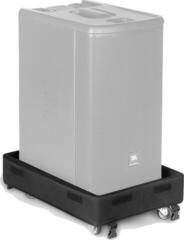
A trolley makes movement easier but may not replace a protective cover. If you regularly move heavier units, see speaker trolleys and check that their dimensions and load capacity suit the equipment.
Review the whole route, not only the distance from the vehicle to the stage. Door width, thresholds, lifts, floor surface and room to turn or stop the trolley all matter. Check whether the loaded trolley fits into the vehicle and how the load must be secured under the manufacturer’s instructions. Wheels alone do not solve stairs; the number of lifting points, splitting the system into separate parts and safe two-person handling may matter more.
Details you notice on every move
- Handles: They should remain accessible and provide a stable grip.
- Straps: They are useful only when the unit’s weight and shape allow safe shoulder carrying.
- Wheels: They help on a longer level route; stairs, thresholds and uneven surfaces still require care.
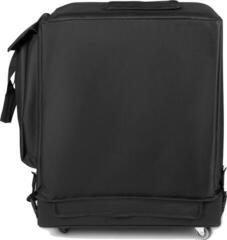
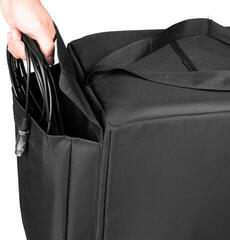
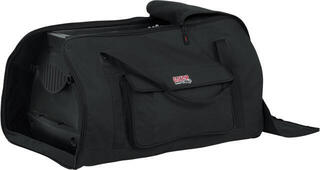
- Pockets: They can hold cables or small accessories when their dimensions and capacity are specified.
- Openings and flaps: They must line up with handles, connectors and controls.
Choose for the way you work
Rehearsal room and occasional transport
If the unit stays in one place most of the time, focus on the correct size, easy fitting and surface protection during storage. An unnecessarily bulky solution only takes up space.
Band, mobile DJ or small events
For regular loading, check the padding, handle attachment and quick access to lifting points. Plan the loading order too: a soft cover will not protect against a heavy item placed on top.
Sound engineer moving equipment frequently
With several units, consistent labelling and clear model assignment help. Consider wheels or a separate trolley for longer routes, but check the capacity and dimensions of every transport component first.
Checklist before ordering
- Write down the exact model number.
- Measure external width, height and depth, including fixed protrusions.
- Compare the compatibility list or the cover’s internal dimensions.
- Check handle, wheel, connector and control positions.
- Choose the protection level for the frequency and conditions of transport.
- For a trolley, check capacity, platform size and load restraint.
After transport, let the cover and unit dry if they became damp, and do not stack heavy equipment on soft covers during storage. Correct fit and safe handling matter more than a general size label in the product name.