Albania
 Argentina
 Australia
 Austria
 Belgium
 Bosnia and Herzegovina
 Brazil
 Bulgaria
 Canada
 Chile
 Colombia
 Croatia
 Czech Republic
 Denmark
 Estonia
 Finland
 France
 Germany
 Greece
 Hungary
 Ireland
 Italy
 Latvia
 Lithuania
 Luxembourg
 Mexico
 Moldova
 Montenegro
 Netherlands
 New Zealand
 North Macedonia
 Norway
 Philippines
 Poland
 Portugal
 Romania
 Serbia
 Slovakia
 Slovenia
 South Africa
 Spain
 Sweden
 Switzerland
 Turkey
 Ukraine
 United Kingdom
 United States of America



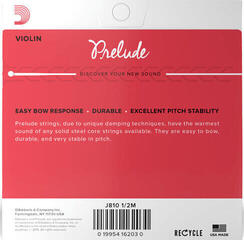
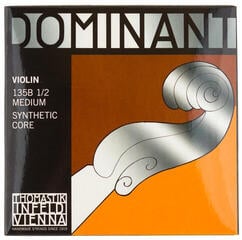
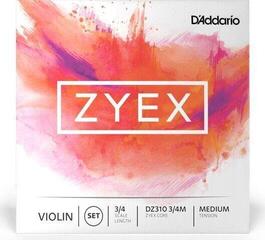
Violin Strings
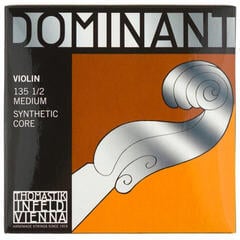
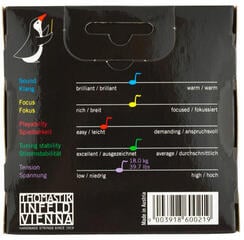
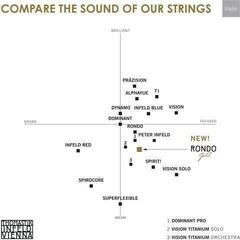
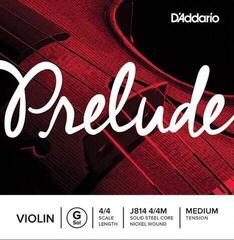
Violin strings change the response under your fingers, tuning stability and the instrument's tone. Steel, synthetic and gut cores respond differently to bow pressure and climate changes. When replacing them, follow the violin size, scale length and recommended tension; the wrong set can impair playability and place stress on the bridge.
The core determines the basic feel
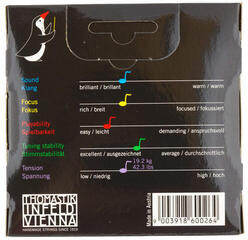
Steel strings settle quickly, have a direct response and are often used in folk music or on student instruments. A synthetic core approximates the flexibility of gut with easier stability. Gut strings are more sensitive to humidity and need longer to settle.
Do not choose tension based on volume
Higher tension may feel firmer, but your particular violin may not respond better. Consult a violin maker before mixing different brands and tensions, especially if you are changing only one string. Replace strings one at a time so that the bridge remains under controlled pressure.
The surface reveals when it is time for replacement
Frayed winding, false notes and slow response are clearer signs than the calendar. After playing, wipe away rosin dust with a soft, dry cloth. Alcohol and aggressive cleaners can damage the instrument's varnish.
Choose the core according to the response you want and match the tension to your particular violin instead of chasing volume.