Albania
 Argentina
 Australia
 Austria
 Belgium
 Bosnia and Herzegovina
 Brazil
 Bulgaria
 Canada
 Chile
 Colombia
 Croatia
 Czech Republic
 Denmark
 Estonia
 Finland
 France
 Germany
 Greece
 Hungary
 Ireland
 Italy
 Latvia
 Lithuania
 Luxembourg
 Mexico
 Moldova
 Montenegro
 Netherlands
 New Zealand
 North Macedonia
 Norway
 Philippines
 Poland
 Portugal
 Romania
 Serbia
 Slovakia
 Slovenia
 South Africa
 Spain
 Sweden
 Switzerland
 Turkey
 Ukraine
 United Kingdom
 United States of America



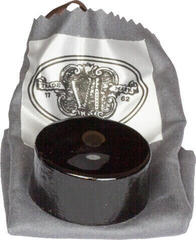
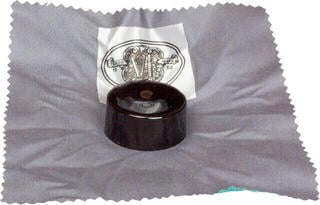
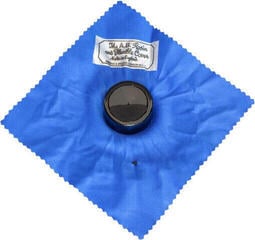
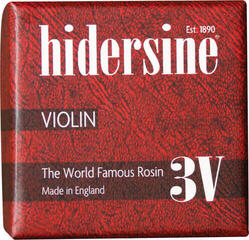
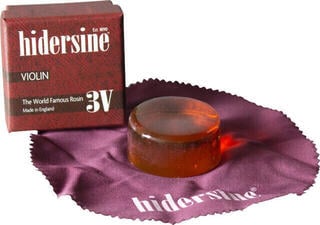
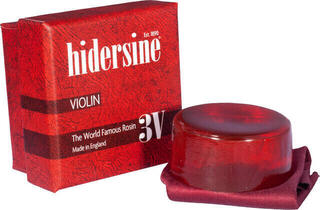
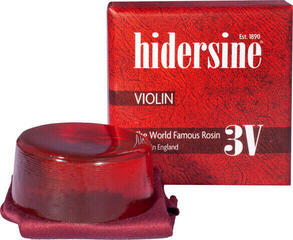
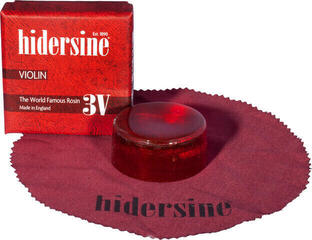
Violin Rosins
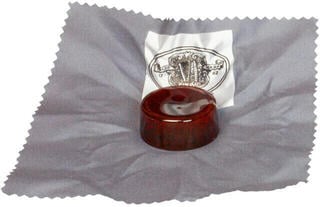
Rosin creates the friction on the bow hair needed to make the string sound. Hardness and grip vary according to the formulation and temperature, so the same rosin may not work equally well in a dry winter and a humid summer. A harder type is usually chosen for the violin than for the double bass; more important than colour is a clean response without excessive dust.
Harder or softer compound
Harder rosin applies a thinner layer and may suit a warm environment or a bright response. Softer rosin has more grip, but too much of it coats the strings and varnish. If you have sensitive skin, check the ingredients and limit contact with the dust.
Apply less, but evenly
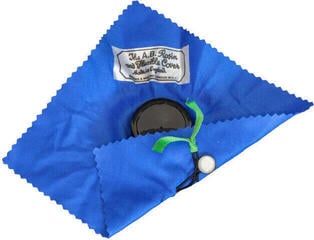
New hair requires more initial strokes, while a regularly used bow only needs a brief top-up. If a cloud of dust forms with every stroke, there is too much rosin. Hold the block or cake by its wrapper to prevent grease from your fingers from coating the surface.
Remove residue after every playing session
Wipe dust from the strings and the surface of your violin with a dry, soft cloth. Do not scrub deposits on the varnish with a household solvent; consult a luthier. Protect cracked rosin with a rigid case and do not leave it in the sun.
Choose the hardness according to your instrument and environment, apply it sparingly and wipe dust from the varnish immediately after playing.