 Albania
 Argentina
 Australia
 Austria
 Belgium
 Bosnia and Herzegovina
 Brazil
 Bulgaria
 Canada
 Chile
Chile
 Colombia
 Croatia
 Czech Republic
 Denmark
 Estonia
 Finland
 France
 Germany
 Greece
 Hungary
 Ireland
 Italy
Italy
 Latvia
 Lithuania
 Luxembourg
 Mexico
 Moldova
 Montenegro
 Netherlands
 New Zealand
 North Macedonia
 Norway
 Philippines
 Poland
 Portugal
 Romania
 Serbia
 Slovakia
 Slovenia
 South Africa
 Spain
Spain
 Sweden
 Switzerland
 Turkey
 Ukraine
 United Kingdom
 United States of America



Helpful tips on how to get tickets before they sell out
Getting tickets to popular events can be a real challenge, but if you've got the right tips and a bit of preparation, you can definitely do it, even if tickets usually sell out in minutes. Here are a few tricks that can help you get your hands on tickets before they sell out.
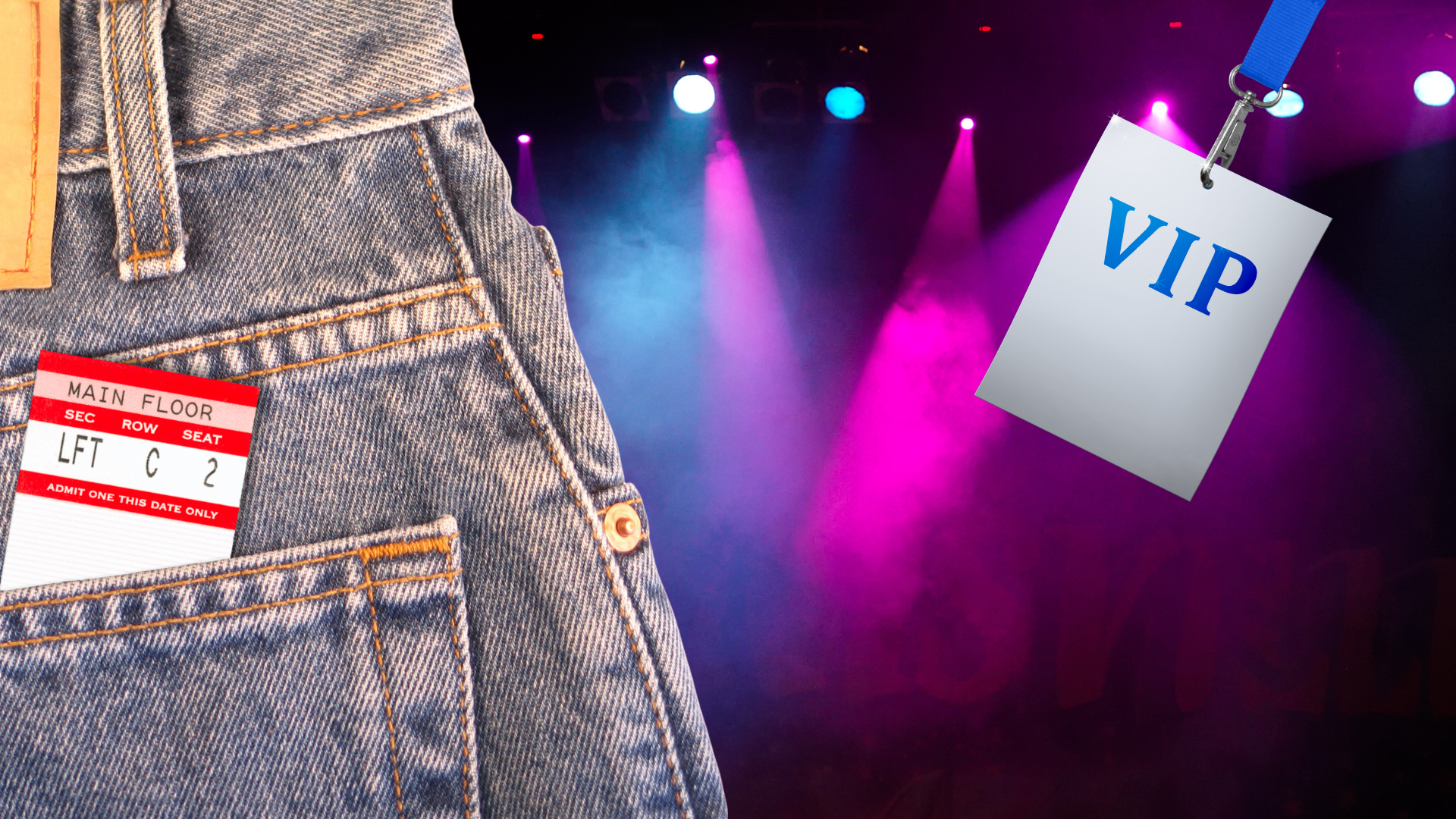
A tour gets announced, you set an alarm for 10:00, you click at exactly 10:00 and 10 minutes later it is sold out. You know the feeling, and it is neither your fault nor your slow internet. Ticket sales work completely differently than they did 10 years ago, and most tickets are gone before the general sale even starts. Once you understand what is happening behind the scenes, though, there is plenty you can do about it.
Let us go through it in order. What happens while you are in the queue, where you can buy earlier, how to prepare for sale day, what to do when it does not work out, and how to avoid getting scammed.
Let us go through it in order. What happens while you are in the queue, where you can buy earlier, how to prepare for sale day, what to do when it does not work out, and how to avoid getting scammed.
Why tickets sell out in minutes
The first thing to understand is that far fewer tickets go on general sale than you think. The promoter holds back part of the capacity, another part goes to partners, media and sponsors, and a further chunk is held for production, meaning the seats behind the stage and around the sound desk that only get released later. Add the presale waves on top of that. So when the general sale opens, you are not competing for the whole arena, often just for a third to a half of it.
The second thing is dynamic pricing. For the most in-demand events, the big sellers change prices according to live demand, much like airlines do. A ticket that cost one amount 5 minutes ago can cost another 5 minutes from now, even within the same block. That is why, with the big names, it pays to decide in advance what you are willing to spend, so you are not making the call under pressure with a countdown on screen.
And third, a large share of the demand comes from bots and resellers. Sellers fight back with queues, ticket limits and identity checks, which is fair enough, but it also means you have to behave the way the system expects. Behave like a bot and it will push you to the back of the queue or log you straight out.
Get ready before the sale even starts
Most of the work happens in the week before the sale, not on the day itself. Create your account with the seller in advance and verify your email, because registering once you are already in the queue will reliably cost you your place. Fill in your delivery and billing address, save your card, check that it does not expire next month, and if you have a low daily payment limit, raise it. A payment declined because of a limit is the single most common reason people lose tickets sitting in their basket.
Next, turn on alerts. Most sellers let you follow an artist or an event and will email you the moment the sale goes live. Bands do the same through their newsletter and their social channels, and that is often exactly where presale codes show up. It is worth subscribing to the venue itself too, because arenas run presales of their own.
Presales: where you can buy earlier
The fan club presale has long been the most reliable route. Bands let their members at the tickets 1 to 3 days before the general sale, and usually with a better choice of seats too. Membership tends to be paid, so it makes sense when you go to see that band regularly. For a single concert it rarely pays for itself.
The next layer is partner presales. Banks and card issuers, mobile operators, radio stations and streaming services all get their own codes and their own sale window. Plenty of people have no idea that such a perk comes with their card or their phone plan, so check before a big tour. It is 5 minutes of searching and it often decides the outcome.
Finally, find out which seller is actually handling it. In our region that usually means Ticketmaster, Ticketportal, Eventim, GoOut or a local box office, and each one needs its own account and has slightly different rules. On big tours the same event sometimes runs with 2 sellers at different times, so whoever checks in advance gets 2 shots at it instead of 1.
Sale day, step by step
Join the queue a few minutes before it opens, not earlier and not later. Some systems assign your place at random among everyone waiting at the moment the doors open, so joining 1 hour ahead does nothing for you. Turn up a minute late, though, and you are behind everybody else.
Once you are in the queue, do not refresh the page. This is the single most common mistake. With most sellers a refresh sends you to the back of the line or logs you out entirely. Opening 15 windows on one device is no better, because modern systems read that as bot behaviour. What actually works is 1 window per device on a different connection, say a laptop on wi-fi and a phone on mobile data. And if there is someone you can ask, have them try in parallel from their own account.
Once you reach the seat map, decide quickly and do not keep switching between blocks. Every reload of the map costs you several seconds, and seconds are exactly what this is about. Take the best thing available within your budget and see the payment through. Tickets are held in your basket for a few minutes only, after that they go back on sale.
When it does not work out
Sold out does not mean unavailable. Some tickets go back on sale in the weeks before the show, when the promoter releases the seats held for production, meaning the blocks behind the stage and around the sound desk. That typically happens 1 to 2 weeks before the event and again on the day itself. So it is worth keeping an eye on the seller’s page even after it has said sold out for weeks.
The other route is official fan-to-fan resale, the system that lets people pass tickets on within the same platform they bought them from. It has 2 advantages. The price is usually capped, and the ticket is transferred into your name, so nobody turns you away at the door. Every major seller offers this today, and it is the only secondary route I would recommend without reservation.
With other reseller sites and private listings, be careful. The warning signs are a price several times above face value, pressure to decide quickly, payment by direct transfer or through a service with no buyer protection, and a seller who only sends you a photo or a PDF with a barcode. That same barcode can be sent to 10 people, and the one who gets through the door is whoever arrives first. If you do buy privately, insist on an official transfer of the ticket and pay in a way that entitles you to a refund.
5 mistakes almost everyone makes
1. You create your account once you are already in the queue. Registering and verifying your email takes 1.5 minutes at that point, and on a big tour that is the difference between having a ticket and not having one.
2. You refresh the page. With most sellers that means going back to the end of the queue, or being logged out. It pays to sit still, even when nothing happens for a long time.
3. You leave the payment until last. An unverified card, a low daily limit or a missing confirmation in your banking app will kill the purchase at exactly the moment the tickets are within reach.
4. You miss a presale you are entitled to. Access through your card, your mobile operator or a streaming service may well be sitting there waiting for you, you just do not know about it.
5. You stop watching once it says sold out. Yet it is in those final 2 weeks that production seats get released and cancelled orders come back, so the chance lasts right up to the day of the show.
Once you have the ticket
With the ticket secured, there is one thing worth sorting before you set off, and that is earplugs. This is not caution for the over-fifties. Volume in an arena routinely sits above the threshold at which permanent hearing damage happens, and ringing ears the next day are exactly the signal you should stop ignoring. Concert earplugs are not the same as the foam ones you stuff in on a building site. They attenuate evenly across all frequencies, so you hear the whole band, just quieter, rather than as if through a wall.
The second thing is a shirt. The maths on merch is simple. At the venue you queue at the stand, you pay more, and by 21:00 the only sizes left are the ones that will not fit you, whereas at home you pick from the full range at your leisure. At metal and rock shows a band shirt is practically a uniform, but pop and hip hop now have pieces you can wear outside a gig too. And if you collect, the fan club section has the patches and flags, which are exactly what sells out first at the stand.
And then there is what comes after the show. You walk home from a good gig wanting to put the band on the second you drop your coat, and that is exactly when the difference between a stream and a record shows up. A vinyl gets played all the way through, in the order the band intended, which after a concert is precisely what you want. If you want less ceremony, a CD does the job just as well. You can get into records without much study, Everything you need to know about LPs is enough to start, and when you then start wondering why some pressings cost more, the answer is in the piece on 180-gram vinyl.
So much for the theory. In practice it will still come down to you sitting there at 10:00 with a phone in one hand and a laptop in front of you, barely breathing for the next 10 minutes. The difference is that this time your account is ready, your card is saved and you know which block you want, and that is exactly what decides it. Good luck, and enjoy the show.