Albania
 Argentina
 Australia
 Austria
 Belgium
 Bosnia and Herzegovina
 Brazil
 Bulgaria
 Canada
 Chile
 Colombia
 Croatia
 Czech Republic
 Denmark
 Estonia
 Finland
 France
 Germany
 Greece
 Hungary
 Ireland
 Italy
 Latvia
 Lithuania
 Luxembourg
 Mexico
 Moldova
 Montenegro
 Netherlands
 New Zealand
 North Macedonia
 Norway
 Philippines
 Poland
 Portugal
 Romania
 Serbia
 Slovakia
 Slovenia
 South Africa
 Spain
 Sweden
 Switzerland
 Turkey
 Ukraine
 United Kingdom
 United States of America


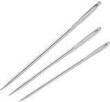
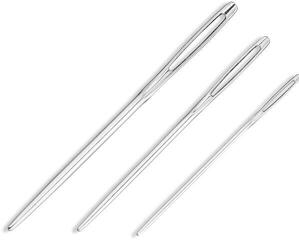
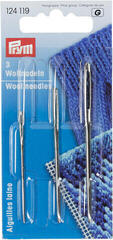
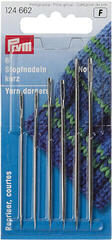
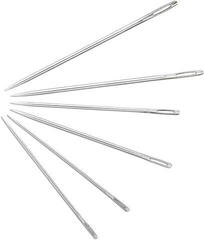
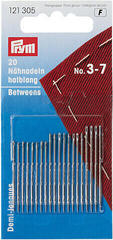
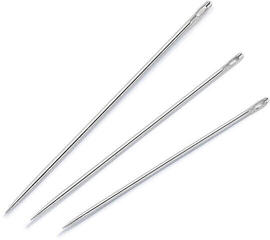
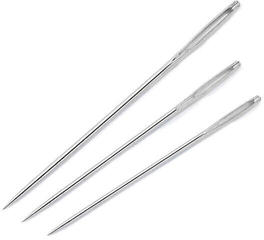
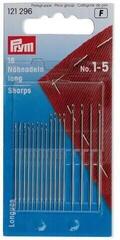
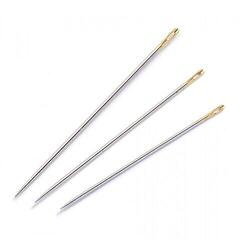
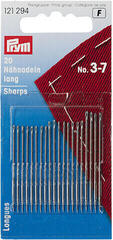
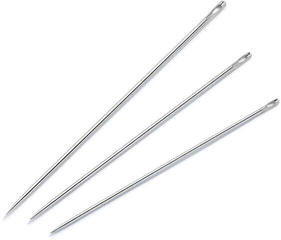
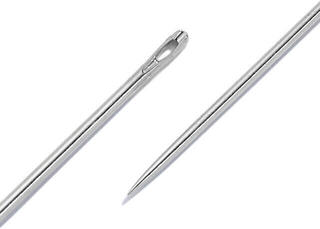
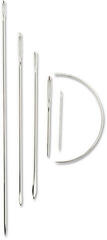
Sewing Needles
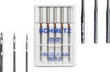
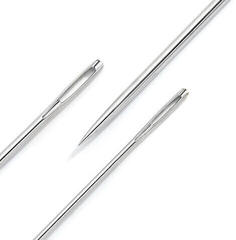
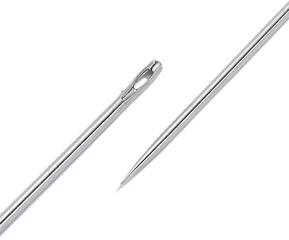
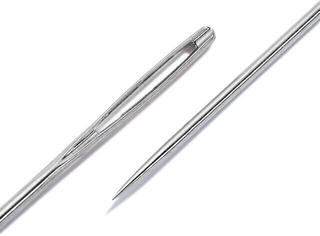
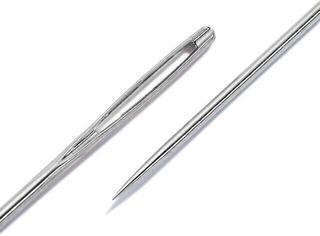
A needle must pass through the material without excessively damaging the fibers while safely carrying the chosen thread. Thickness, point shape, and eye size vary according to the fabric. For a machine needle, the system compatible with the specific machine is also essential. Do not use a bent or blunt needle.
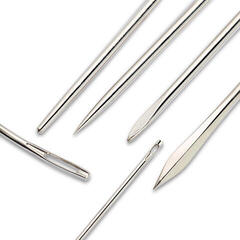
Point according to the material
- A universal needle is used for common woven fabrics.
- A rounded ballpoint needle for knits passes between stitches without cutting them.
- A stronger denim needle handles a denser weave.
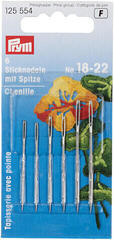
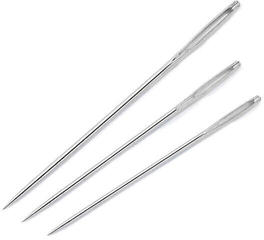
- An embroidery needle has an eye designed for bulkier or decorative thread.
The needle and thread thickness must match
A needle that is too fine may bend, while a thick one leaves a visible hole in delicate fabric. The thread must pass through the eye without abrasion. If stitches are being skipped, first fit a new needle of the correct type before changing more complex machine settings.
Hand and machine sewing
Also choose a hand-sewing needle according to its length and how comfortably you can hold it. Insert a machine needle in the exact orientation and tighten it according to the instructions. More tools are grouped under Sewing / Embroidery; you can find suitable thread under Threads, while Tailor's Measuring Tapes provide precise measurements.
Safe storage
Sort needles by type and size in a labeled case. Do not leave them inserted into clothing or loose on a table. Wrap a damaged used needle before disposal so it cannot injure anyone.