Albania
 Argentina
 Australia
 Austria
 Belgium
 Bosnia and Herzegovina
 Brazil
 Bulgaria
 Canada
 Chile
 Colombia
 Croatia
 Czech Republic
 Denmark
 Estonia
 Finland
 France
 Germany
 Greece
 Hungary
 Ireland
 Italy
 Latvia
 Lithuania
 Luxembourg
 Mexico
 Moldova
 Montenegro
 Netherlands
 New Zealand
 North Macedonia
 Norway
 Philippines
 Poland
 Portugal
 Romania
 Serbia
 Slovakia
 Slovenia
 South Africa
 Spain
 Sweden
 Switzerland
 Turkey
 Ukraine
 United Kingdom
 United States of America


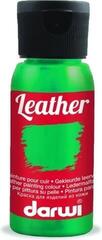
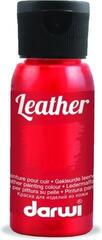
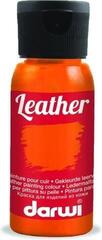
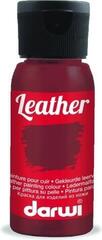
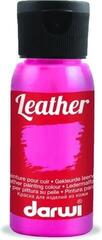
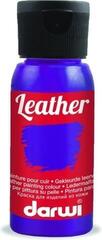
Leather/Faux leather paints
Paint for leather and faux leather must adhere to a flexible surface without cracking during normal bending. However, natural leather and synthetic faux leather do not have the same absorbency or surface finish. Before purchasing, identify the exact material of the item and check product compatibility. A test in a hidden area will reveal color changes and adhesion.
Cleaning without damaging the surface
Remove dust and grease using a product suitable for the material. An aggressive solvent may soften or dull a synthetic coating. After cleaning, let the item dry completely and do not touch the area to be painted with your fingers.
Thin layers remain more flexible
Apply the paint using a sponge, brush, or applicator recommended by the manufacturer. Several light layers are usually more even than one thick application. Follow the drying time between them and do not bend the item before it has cured completely.
Leather versus synthetic material
- Absorbent leather may take the paint into its surface.
- Faux leather requires adhesion to a smoother, sealed layer.
- A marker is suitable for details, while paint is suitable for a larger repair or design.
- The final protective product must be compatible with both the paint and the surface.
More color techniques are grouped under Painting Colors; do not use general-purpose acrylic from the Acrylic Paints category without checking its suitability for leather.
Gentle use after restoration
Do not place the item under stress before the time specified by the manufacturer has passed. Clean it without an abrasive sponge or vigorous rubbing. For footwear, pay attention to areas that bend regularly.