 Albania
 Argentina
 Australia
 Austria
 Belgium
 Bosnia and Herzegovina
 Brazil
 Bulgaria
 Canada
 Chile
Chile
 Colombia
 Croatia
 Czech Republic
 Denmark
 Estonia
 Finland
 France
 Germany
 Greece
 Hungary
 Ireland
 Italy
Italy
 Latvia
 Lithuania
 Luxembourg
 Mexico
 Moldova
 Montenegro
 Netherlands
 New Zealand
 North Macedonia
 Norway
 Philippines
 Poland
 Portugal
 Romania
 Serbia
 Slovakia
 Slovenia
 South Africa
 Spain
Spain
 Sweden
 Switzerland
 Turkey
 Ukraine
 United Kingdom
 United States of America



Ornette Coleman

Ornette Coleman
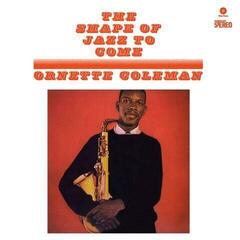
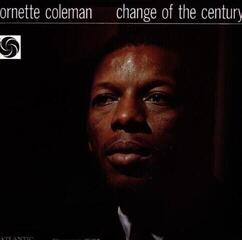
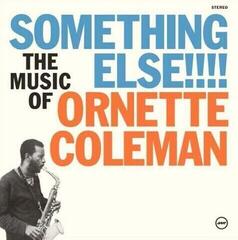
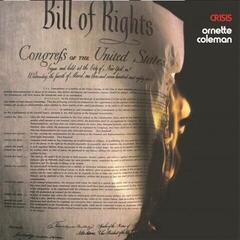
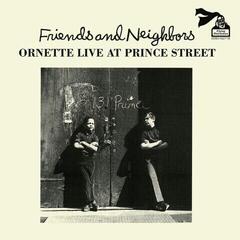
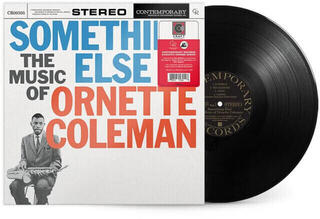
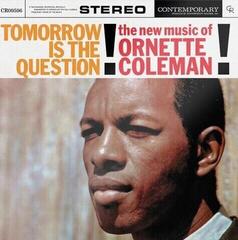
Ornette Coleman was an American jazz musician and composer, acclaimed as a pioneering force in free jazz. Born in Fort Worth, Texas in 1930, he self-taught the saxophone as a teenager and began his career in local R and B and bebop circles. In the late 1950s, Coleman moved to Los Angeles, forming a groundbreaking group with musicians like Don Cherry and Charlie Haden. His 1960 album Free Jazz: A Collective Improvisation gave a name to the new, experimental style that rejected traditional harmony and fixed rhythm, instead focusing on group improvisation and blues influence.
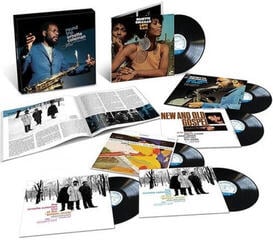
Coleman's music was initially controversial but later celebrated for its innovation, influencing the direction of jazz throughout the 1960s and beyond. Compositions like Lonely Woman and Broadway Blues became classics of the genre. Over the decades, Coleman pushed creative boundaries, exploring orchestral formats, electric jazz-funk with his group Prime Time, and developing his unique harmolodic approach. His work earned him a Pulitzer Prize for Music in 2006, marking him as one of jazz’s most original and influential figures.